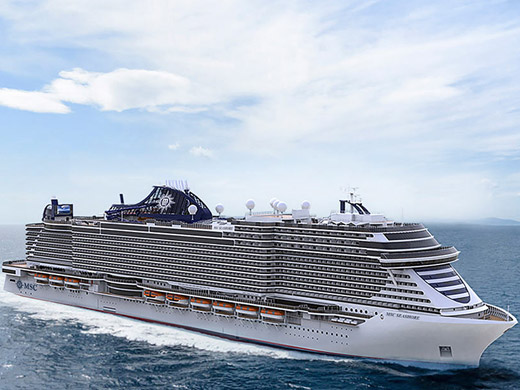
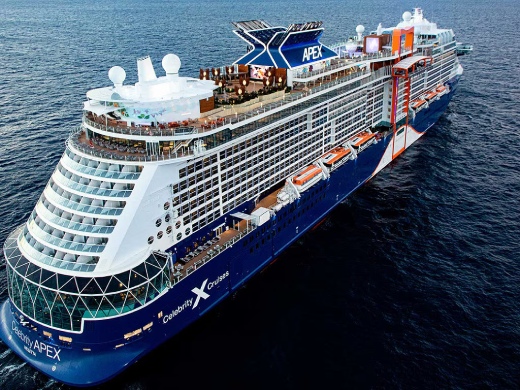
Finding your way around a massive cruise ship can feel like a puzzle during your first few hours on board. You walk down long hallways filled with identical doors and wonder which way leads to the front or back. Knowing the difference between the port side and the starboard side of a ship is the first step to feeling like a pro. These terms help everyone on the ship speak the same language, so there is no confusion.
Using these words is about safety and clear talk between the crew and guests. If someone says there is a whale on the left, you might wonder whose left they mean. But if they say the whale is off the port side, everyone knows exactly where to look. It makes your time on the water much smoother and keeps you from getting lost while looking for your room.
What’s the Difference Between Port and Starboard Sides of a Ship?
The starboard side is on the right side of the ship when you are facing the front. This name comes from old cruising days, before ships had rudders in the middle. Sailors used a big oar to steer, and since most people are right-handed, they kept that oar on the right side. They called it the steerboard side, which slowly turned into the name we use today.
The port side refers to the left side of the cruise when you look toward the bow. In the past, sailors had to tie up the ship on the left side because the steering oar was on the right. If they tried to dock on the right, the oar would get smashed against the pier. They called the left side the port side because that was the side that faced the port.
Safety rules require specific port versus starboard lights, so other cruises can see which way you are moving. The port side always has a red light, while the starboard side has a green light. These colors help captains at night to know if a cruise is coming toward them or crossing their path. It is a simple system that has kept people safe on the ocean for hundreds of years.
Origin of Port and Starboard
The origin of port and starboard is rooted in the early days of seafaring and the Old Norse language. Back then, sailors did not have the complex mechanical systems we see on modern cruise ships. They relied on a steering board, or "stýri," which was a large paddle attached to the right side of the hull. This led to the term "stýribörð," which became "starboard" in English. It was the side used to guide the craft through the waves.
Because the steering oar was fixed to the right, it was impossible to dock the ship on that side without damaging the gear. Sailors had to pull up to the wharf with the left side facing the land. Early on, they called this the "larboard" side, which probably came from "lade" or loading side. But when sailors shouted "larboard" and "starboard" in a storm, the words sounded too similar and caused dangerous mistakes.
To fix this confusion, the British Navy decided to change the name of the left side. In the mid-1800s, they officially picked the word "port" to replace the larboard. It made sense because that was the side that touched the dock at every port of call. This change helped clear up communication on loud, windy decks. Today, every sailor in the world uses these names to keep their bearings while out at sea.
How to Remember Port and Starboard Easily?
One of the best ways to recall the difference is by counting the letters in words. Both "port" and "left" have four letters in them. If you can keep that small fact in your head, you will never get mixed up. When you are standing on the deck facing the front, just think "four letters left" and you will know you are on the port side.
Another trick involves thinking about a glass of red port wine. The port side of the ship uses a red light for navigation. You can tell yourself that there is no "red port" left in the bottle. This links the color red, the word port, and the direction left all in one thought. It is a classic navy trick that works for almost everyone who tries it on their first trip.
Port side vs Starboard: Does It Matter When Choosing Your Cruise Cabin?
Picking between the port side and the starboard side of a cruise ship can change what you see from your window. On some routes, one side faces the open ocean while the other side faces the coast. If you like looking at islands and mountains while you drink your coffee, you need to check the map. Most people prefer the side that offers a view of the land as they move between different stops.
Noise and light are also things to think about when you book your room. Some ships have smoking areas or loud outdoor bars only on one side of the ship. If you want a quiet spot to read, you might want to avoid the side with big screens or loud music. You should look at the deck plans of the specific ship to see which side has the features you like.
The sun can also make your room feel very hot or very bright at certain times of day. If you are on the side that faces the sun all afternoon, your balcony might get too warm to sit on. But if you like to tan on your private deck, that extra sun might be exactly what you want. Think about your daily routine and how the light will hit your cabin during the trip.
Port Vs. Starboard Color and Lights
Navigation lights are a big part of the port versus starboard system for any ship on the water. Every vessel must show a red light on the port side and a green light on the starboard side. These lights have a specific arc of visibility, so they can only be seen from certain angles. This helps a captain see the position of another ship even in total darkness.
If you see a green light and a red light coming straight at you, it means a ship is heading your way. If you only see a red light, you know that the ship is crossing from your right to your left. The port versus starboard color code is a universal language used by everyone from small fishing boats to massive tankers. It is a simple way to prevent crashes and keep traffic moving safely through busy harbors.
These colors are also used on buoys and markers that show the path into a harbor. In many parts of the world, you keep the red markers on your right when you are returning from the sea. This is often taught with the phrase "red right returning." Knowing which color belongs to which side helps you stay in deep water and avoid hitting rocks or sandbars.
Port Side vs Starboard vs Aft vs Bow
To fully grasp how a ship works, you should know more than just left and right. The bow is the very front of the ship, usually pointed like a wedge to cut through the water. The aft is the back part of the ship where the engines and propellers usually sit. When you combine these with port and starboard, you can describe any spot on the vessel with perfect accuracy.
If a crew member tells you that the buffet is "aft on the port side," you know to head toward the back and look to the left. This grid system works no matter which way you are facing at the moment. It stops people from getting turned around in the windowless hallways of the lower decks. Once you learn these four points, the ship feels much smaller and easier to navigate.
Using "port side vs starboard vs aft" is much better than saying "over there" or "near the back." On a ship that is three football fields long, you need to be precise. If there is an emergency, the crew uses these terms to guide people to their muster stations. Learning these basic directions is a key part of being a safe and informed passenger on any ship.
Port Tack vs Starboard Tack
In the world of wind power, sailors talk about a port tack vs a starboard tack to decide who has the right of way. A ship is on a starboard tack when the wind is blowing over the starboard side, and the sail is on the port side. When two ships are heading toward each other, the one on the starboard tack has the right to keep going. The ship on the port tack must move out of the way.
This rule is a bit like traffic laws on a road and helps avoid collisions between sailboats. If the wind hits the left side of the boat first, it is on a port tack. Sailors have to pay close attention to this because things happen fast when the wind is strong. Even if you are on a power ship, knowing these rules helps you stay safe around people who are using sails.
Understanding port tack vs starboard tack also helps you know why a ship might be leaning a certain way. Ships lean away from the wind, so a ship on a port tack will tilt toward the right. It is a big part of the physics of how ships move through the water. It shows that port and starboard are not just names but are part of the active way a ship interacts with the wind.
Does Port or Starboard Matter More on a One-way Cruise?
On a one-way trip, you are usually moving in a straight line along a coast for several days. This means one side of the ship will almost always face the land while the other side looks at the sea. For a trip from Vancouver to Alaska, the starboard side of the cruise ship will face the mountains as you head north. If you want to see glaciers from your bed, that choice is very big.
If you are coming back down the coast, the port side of the ship becomes the one with the land views. You have to think about the direction of the ship to get the best scenery. For these types of trips, the land side usually books up much faster than the ocean side. It is worth checking the route map before you put your deposit on a specific cabin.
Which Side of a Cruise Ship is Best to Stay On?
The best side depends mostly on the route you are taking and what you want to see. If you are doing a loop that starts and ends in the same city, you will see the same things eventually. One side will see the coast on the way out, and the other side will see it on the way back. In this case, it does not matter quite as much which side you pick.
But if you are on a ship that stays in port late into the night, think about the view of the city. Being on the side that faces the lights of a harbor can be very pretty after the sun goes down. Some people also like to watch the action on the pier as the ship gets ready to leave. They enjoy seeing the late passengers running to catch the ship before the gangway goes up.
Which Side is Best for Sunrises and Sunsets?
If you are heading north, the starboard side of the ship will get the morning sun as it rises in the east. The port side will get the sunset as the sun drops in the west. This is a big deal if you are a morning person who likes to watch the day start. If you prefer to sleep late and watch the sunset with a drink, you should pick the port side for a northbound trip.
For ships heading south, these roles are swapped around. The port side will face the east and catch the sunrise, while the starboard side looks west toward the sunset. You have to know the path of the ship to make the right call for your preferences. Many people find that watching the sun hit the water is the highlight of their whole vacation.
Which Side Do Ships Usually Dock On?
Many people think that a ship always docks on the port side because of its name. While that was true in the old days, modern cruise ships can dock on either side. The captain decides which way to pull in based on the wind, the currents, and the layout of the port. Sometimes the ship needs to face a certain way to load food or fuel more easily.
If the ship has to use its own lifeboats to take you to shore, it is called tendering. In this case, the side does not matter as much because the ship stays out in the water. But if you are at a pier, the side facing the land will give you a view of the shops and the people. The other side will give you a clear look at the sea and other ships in the harbor.
Related: Which Is the Better Side to Being on a Cruise Ship?
FAQs for Port vs Starboard
Which side of a cruise ship is port and which is starboard?
Port is the left side of the ship when you face the bow, and starboard is the right side. These directions never change, no matter which way a crew member is facing. Port carries a red navigation light at night and starboard carries a green light, so other vessels can identify orientation in the dark.
Is port or starboard better on a cruise ship?
Neither side is universally better; it depends on your itinerary. On an Alaska northbound cruise, starboard faces the coast. On a Mediterranean voyage, port often faces land. For round-trip Caribbean sailings, both sides see open water and ports equally. Check your route map before booking a balcony to match scenery preferences.
How do you remember the difference between port and starboard?
The easiest memory trick is that 'port' and 'left' both have four letters. Another popular method links the red port wine drink to the red port-side navigation light. Sailors also use the phrase 'any red port left in the bottle,' which ties red, port, and left together in a single sentence.
Why is it called port and starboard instead of left and right?
Starboard comes from Old English 'steorbord,' meaning steering side, because early ships had a steering oar mounted on the right. Ships then docked left side against the harbor to protect that oar, giving us 'port.' The fixed terms prevent confusion since left and right shift depending on which way a sailor faces.
Which side of the ship faces the dock?
Cruise ships can dock on either side; the captain chooses based on wind, current, port layout, and gangway position. Historically the port side was preferred, which is how the name originated. Today modern thrusters let ships dock either side, so a balcony cabin may face open ocean or the terminal depending on the port.
Which side gets better sunrises and sunsets on a cruise?
It depends on the direction the ship is sailing. On a northbound voyage, starboard faces east for sunrises and port faces west for sunsets. On a southbound route, the reverse is true. For Caribbean round-trips, the ship turns multiple times, so both sides typically catch sunrise or sunset at some point during the cruise.
What colors are port and starboard?
Port is red and starboard is green. Every ship displays a red navigation light on its port (left) side and a green light on its starboard (right) side at night. This international rule helps approaching vessels tell which direction another ship is moving and who has right of way.
Final Words
Grasping the basics of port and starboard makes any sea trip better. These names are not just for old sailors, they are key tools for every guest on a ship. Once you know your left from your right on the water, you can choose the best room and find your way to dinner without any stress. It turns a big, confusing ship into a place where you feel right at home.