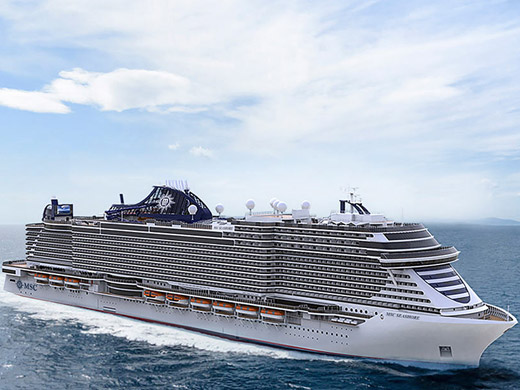
The experience of cruising brings people to peaceful places where they can see endless blue skies and experience light ocean winds and enjoy unhindered boat movement. The ocean does not always provide its calmest conditions that resemble a still lake throughout all boat journeys. The world's oceans have specific areas that are known for their extreme conditions which include high waves and strong winds that create difficulties for all types of vessels.
The study of rough seas which apply to cruise ships provides travelers with information that helps them create realistic sailing expectations before their upcoming trips. The ocean passages of today contain high seas which modern ships are designed to withstand yet they experience their most intense rough waters.
The guide shows which ocean areas present the most dangerous conditions for cruise ships. The guide describes ship operations during rough ocean conditions.
What Is Considered Rough Seas for a Cruise Ship?
The definition of rough seas needs to be studied before we examine the world's most dangerous ocean areas. The Beaufort Scale combined with wave height measurements serves as the standard method to describe ocean conditions.
The following standards define ocean conditions:
- Calm seas: Waves less than 1 metre
- Moderate seas: Waves between 1–2.5 metres
- Rough seas: Waves between 2.5–4 metres
- Very rough seas: Waves between 4–6 metres
- High seas: Waves exceeding 6 metres
Cruise ship operators determine their rough sea definition based on their ship dimensions. Modern cruise ships can be more than 300 metres long and weigh over 200,000 tons. A cruise liner handles rough water conditions differently than a small boat because its large size causes what small boats experience as severe movements to become normal ship operations.
Passengers on a cruise ship will experience ship movement when the vessel faces rough ocean conditions which create strong waves and powerful wind effects.
How Often Do Cruise Ships Encounter Rough Seas?
The common question which first-time cruisers ask about their first-time cruise experience is which days cruise ships face their most challenging sea conditions and what happens when cruise ship hits a storm. Cruise lines develop their itineraries through careful planning which aims to minimize their exposure to severe weather conditions. The captains maintain constant surveillance of satellite weather information together with oceanic conditions. The ships usually change their course to safer areas when a storm begins to develop. Cruise ships experience rough ocean conditions because they travel through areas which have strong seasonal winds and turbulent ocean currents.
The ocean conditions which create rough water for cruise ships result from:
- Seasonal storms
- Ocean currents
- Geographic bottlenecks between land masses
- Strong winds which blow across open ocean
- Cold and warm water collisions
Passengers should understand that cruise ships possess special design features which allow them to navigate through extreme ocean conditions.
Can Cruise Ships Handle Rough Seas?
The ability of cruise ships to navigate bad weather conditions shows their exceptional performance ability to handle rough seas.
Modern ships include numerous technologies which operate to stabilize their movement when the ships face rough seas.
The following items are included in this list:
- Stabilizers: The ship uses underwater fins which extend from its sides to decrease rolling motion that waves create.
- Advanced Navigation Systems: Weather tracking enables captains to predict upcoming rough sea conditions, which allows them to change their sailing routes.
- Ship Size: Modern cruise ships use their massive weight to maintain stability during rough water conditions.
- Structural Engineering: Cruise ships obtain construction design specifications which enable them to endure extreme ocean conditions that include hurricane-strength waves.
The visual impact of viral videos, which show a ship struggling through rough seas, creates a dramatic effect. The reality shows that cruise ships represent the safest ocean-going ships which humans have constructed to date.
The World's Roughest Waters for Cruising
The ocean experiences rough sea conditions at all locations but specific areas provide sailors with their toughest challenges. The following list presents various locations which exhibit their most difficult water conditions.
The Drake Passage (South America to Antarctica)
The Drake Passage appears on most maps which display the world's most dangerous ocean areas. The ocean passage which connects the Atlantic Ocean to the Pacific Ocean extends between Antarctica and South America's southernmost point. Powerful winds create enormous ocean waves because of the unbroken landmass which enables storm systems to travel freely. Sailors distribute legendary stories about the difficult ocean conditions which exist in the Drake Passage. The ocean waves here reach heights of 10 meters while powerful winds move ships violently from their original positions. Antarctica cruise passengers experience rough sea conditions which they consider an essential part of their journey.
Cruisers use the term "Drake Lake" to describe the following conditions:
- Drake Lake represents a period when exceptional weather conditions create complete silence.
- Drake Shake describes the standard rough ocean conditions which occur during ocean voyages.
The ships which navigate this area possess design features which enable them to withstand extreme weather conditions.
The Bay of Biscay (France and Spain)
The northeastern Atlantic region experiences strong winter storms which move across the open ocean until they finally reach the European continent. The strong ocean currents in this area create dangerous surfing conditions which make sailing through the waters extremely difficult for ships. The waters between the Mediterranean Sea and Northern Europe serve as the main route for cruise ships which need to move their operations between these two regions. During winter the ocean waves become extremely violent which creates unforgettable experiences for people who observe a cruise ship encounter rough ocean conditions.
Cape Horn (Southern South America)
Sailors developed a fear of rounding Cape Horn which became a common route for ships before the introduction of cruise ships. The southernmost point of South America marks the geographical boundary where the Atlantic Ocean meets the Pacific Ocean. The combination of strong winds and strong ocean currents produces dangerous maritime conditions which create some of the roughest ocean conditions that cruise ships must navigate. The geographic layout of the area directs storms to move through restricted channels which generate high waves and create unpredictable sea conditions. The journey around Cape Horn remains hazardous for ships today because of rough ocean conditions which exist at sea. However modern navigation tools provide better protection for travelers than the methods which were used throughout earlier historical periods.
The North Atlantic Ocean
The North Atlantic Ocean has maintained a reputation for unpredictable weather patterns and dangerous wave conditions which have persisted throughout its history. Transatlantic voyages between North America and Europe traverse waters which European weather systems have created through their course across the ocean. The Arctic region experiences cold air which meets with warm ocean currents to produce powerful storms that result in hazardous sea conditions. The modern ships can handle all rough seas problems who are traveling on repositioning cruises.
The Tasman Sea (Australia and New Zealand)
It separates Australia from New Zealand which lies between their two countries. The area directly faces severe weather patterns which originate from Southern Ocean weather systems. When storms move through, the sea can quickly transform into a field of large rolling swells. The waters between Sydney and New Zealand present rough maritime conditions which cruise ships experience while traveling through this region. Modern ships now conduct these crossings as part of their routine operations.
The Southern Ocean
The Southern Ocean which surrounds Antarctica is known to possess some of the most dangerous ocean conditions found anywhere on the planet. The world experiences constant winds which scientists categorize into three ranges with their names of "Roaring Forties" "Furious Fifties" and "Screaming Sixties". The absence of land to impede their progress allows these winds to create enormous ocean swells which can travel thousands of kilometers. Experiencing rough ocean waters is a part of the adventure of Antarctic journey, which is a great thing for expedition travelers.
Famous Examples of Cruise Ships in Rough Seas
The internet sometimes shows shocking videos which show ships battling against rough ocean conditions. These clips can make conditions look frightening, but they rarely show the full context. The world has witnessed several major events which demonstrated how ships function during severe storm conditions.
- Pacific Sun (2010): The storm off New Zealand brought Pacific Sun to public attention through its CCTV footage which captured the ship's storm experience. The video demonstrated how passengers were unable to maintain their balance because furniture moved across the deck during heavy rough ocean conditions. The ship with all its dramatic elements-maintained safety and continued to operate.
- Anthem of the Seas (2016): It became one of the most highly documented modern rough sea incidents. She entered a powerful storm with hurricane-force winds off North Carolina. The vessel was safely returned to the port, but the weather caused interior damage and scared passengers on board. These make Anthem of the Seas a perfect adventurous cruise for travelers seeking thrilling ocean journeys.
- MV Viking Sky (2019): A dramatic emergency was experienced by this luxury ship MV Viking Sky near the Norwegian coast. It has multiple engines that fail because of a powerful storm. It faced nearly 50 feet high waves while drifting close to those rocky shores. The ship required emergency evacuation through helicopter rescue which transported more than 450 passengers because it lost power during rough sea conditions.
- Ocean Explorer – Quark Expeditions (2025): While passing through the Drake Passage on Antarctic expedition the ship was hit by 40-feet high waves. The sailors know the Drake Passage for its severe sea conditions which this crossing demonstrated as the typical difficulties that people face during Antarctica cruise rough seas journeys.
- Carnival Sunshine (2023): Carnival Sunshine faced severe weather conditions during its Caribbean voyage when 40-foot waves and 70-90 mph winds hit the area. The crew demonstrated to viewers how cruise ships operate under difficult ocean conditions by reducing ship speed and meticulously moving through the rough waters.
- Brilliance of the Seas (2010): During the winter Mediterranean cruise, Brilliance of the was hit by 30-foot-high waves because of rough sea storm. The ship operated successfully through rough seas because its movements remained perceptible to passengers.
The examples demonstrate that modern ships possess the capability to handle extreme ocean conditions because their design enables them to navigate through rough maritime environments which can produce visually powerful sea conditions.
What It Feels Like to Be on a Cruise Ship in Rough Seas
The experience of rough seas on a cruise ship depends on two factors which are the wave pattern and the ship size.
Passengers may notice:
- The ship sways gently
- The ship moves from one side to another
- Objects on tables move in a minor way
- The ship generates more vibrations
Walking in hallways during severe rough water conditions creates a walking experience which resembles an airplane passenger who faces turbulence. The ship's stabilizers decrease motion through their operation which enables most passengers to adapt to their new environment.
Tips for Cruising Through Rough Waters
Passengers who will travel to cruise ship areas with rough water should follow these basic guidelines to improve their travel experience.
- Choose a Mid-Ship Cabin: The ship's central area provides cabins which experience reduced movement.
- Stay Hydrated and Rested: Fatigue makes people more vulnerable to experiencing motion sickness.
- Use Motion Remedies: Many travelers bring medication or motion bands to help prevent seasickness.
- Focus on the Horizon: Your brain uses the horizon line as a reference point to adapt to the ship's movements.
- Trust the Crew: Cruise captains possess advanced skills which enable them to navigate through challenging ocean conditions.
Final Thoughts
Most cruise journeys take place through peaceful waters but there exist specific regions which keep their reputation for intense ocean waves. The Drake Passage together with the North Atlantic and the Southern Ocean regions has maintained its status as a dangerous area which produces high waves together with severe weather conditions.
Modern ship construction enables safe operations in all environmental conditions. The advanced stabilizers together with navigation systems on the ship maintain passenger safety during rough seas when the vessel encounters large swells.
The ocean power experience which many travelers seek to witness becomes their most unforgettable journey moment.
The cruise ship system operates to withstand rough ocean conditions which you will encounter during your time at sea. Your most memorable travel experiences will begin with an unexpected journey across the open ocean.
FAQs
1. How often do cruise ships encounter rough seas?
Most routes experience this situation only on rare occasions. Ships that travel through vast ocean spaces will experience cruise ship rough waters during specific times when storms or seasonal weather changes occur.
2. Do cruise ships avoid rough weather?
Yes. Captains use weather system monitoring to guide their system which helps them avoid storms and severe rough seas through course changes at every possible opportunity.
3. Can cruise ships handle rough seas?
The modern ships use stabilizers together with their advanced navigation systems and their strong ship structures to maintain safe operations during rough ocean conditions.
4. Where are the roughest seas for cruise ships?
Drake Passage together with Southern Ocean and North Atlantic and Bay of Biscay and Cape Horn waters represent some of the most turbulent sea areas which cruise ships must navigate.