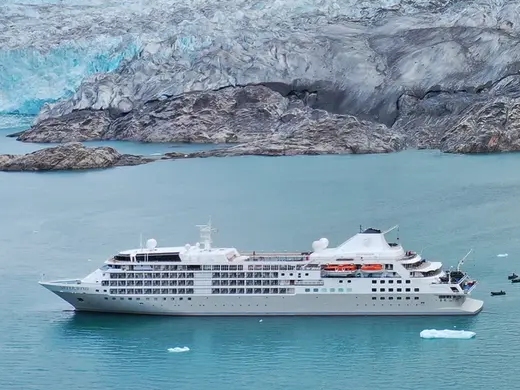
The question of the best month to cruise to Antarctica is simple because of the short travel season. This season runs only for five or six months each year. It begins in late October and closes by late March or early April. The weather, the wildlife, and the cost all change greatly depending on when you choose to travel. The months between April and October are part of the long Antarctic winter. Tourist travel is nearly impossible during the winter period.
Deciding the best month to cruise to Antarctica depends on what you want to see. Are you hoping for vast, untouched snowscapes? Then an early-season cruise is better. Do you wish to see fluffy penguin chicks? Then a mid-season trip is right for you. If spotting many whales is your main goal, the end of the season offers the highest chance. Every single month of the Antarctic summer offers a unique view of the continent.
Best Month to Cruise to Antarctica
The search for the best month to cruise to Antarctica requires a closer look at the short summer season. This brief window for travel runs from late October to early April. The Antarctic cruise season features major changes in weather, wildlife sighting, and pricing. Your ideal time depends on whether you prioritize snow, penguin chicks, or whales.
November
November marks the beginning of the Antarctic cruise season. This is the continent's late spring. The landscape is extremely pristine, covered in deep, fresh winter snow. The days are growing longer, providing about 18 to 20 hours of daylight for exploring. Temperatures are cold, often staying near or below freezing. This early timing makes November one of the cheaper shoulder season periods.
The wildlife in November is busy starting life anew. Penguins return to their colonies to begin courtship and nest building. You can watch them searching for pebbles to create their nests. Elephant seals are also courting on the beaches of South Georgia and nearby islands. Few whales are present, as they are still migrating south for feeding. Many visitors who love photography choose November for the spectacular, low sun angles and immense icebergs.
Also Read: Which cruise goes to Antarctica?
December
December marks the peak of the Antarctic summer. The days are the longest of the year, with up to 24 hours of sunlight near the Antarctic Circle. Temperatures are warmer, often hovering just above freezing. This month includes the Christmas and New Year holidays. This makes December a very popular and often expensive time to travel.
Penguin chicks begin to hatch around the middle or end of December on the Antarctic Peninsula. This is a very exciting time for wildlife lovers. Humpback whales start to arrive in greater numbers in the krill-rich waters. The presence of young penguin chicks and the arrival of whales make December a high-demand month. You must book your December cruise in advance.
Also Read: How Much Does It Cost to Go to Antarctica on a Cruise Ship?
January
January is often considered the most pleasant month for the weather. It is the warmest month of the entire year, with temperatures sometimes reaching 40°F (4°C) on the Peninsula. The long days continue, offering maximum time for exploration. Sea ice has melted significantly, allowing ships to access more landing sites and even the Ross Sea.
Penguin colonies are busy, noisy, and full of life. The fuzzy penguin chicks are growing quickly and are very visible ashore. Whale sightings are excellent as the animals feast on the abundant food supply. January is the best time for activities like sea kayaking and camping on the ice. This month is part of the high season, so cruise prices remain at their highest.
Also Read: 5 Reasons to Travel to Antarctica
February
February continues with excellent summer weather conditions. Temperatures stay mild, though the days start to shorten by about 15 minutes each day. The sea ice is at its minimum level. This retreat opens the most southerly routes, including crossing the Antarctic Circle.
February is widely known as the peak month for viewing large whales. Humpback, minke, and fin whales are often seen feeding close to the ships and zodiacs. Penguin chicks are fledging, or losing their downy coats, and start learning to swim. Adult penguins begin their annual moult, standing still on the beaches waiting for new feathers. This month is great for maximizing the variety of wildlife viewing.
Also Read: What Is the Best Antarctica Cruise for Families?
March
March marks the close of the tourist season. The days are noticeably shorter, but the lower sun creates beautiful sunrises and sunsets. Temperatures drop, signalling the coming winter. The number of cruise ships in the area has decreased significantly. This creates a quieter, more intimate travel experience.
Whale viewing remains superb in March. The whales have been feeding all summer and are often curious about visitors. Fur seals, particularly the playful young pups, are very active along the shores. March offers the cheapest fares of the entire season. This makes it an ideal choice for travelers looking for savings and excellent whale-watching opportunities.
Also Read: What to bring on an Antarctica expedition: Packing tips
April to October
April to October is not a cruise season in Antarctica. During these months, the region enters the long winter period. Sea ice spreads across the ocean, daylight becomes very limited, and weather conditions turn extremely harsh. Because of thick ice, strong winds, and freezing temperatures, cruise ships cannot safely sail to Antarctica. No tourist cruises operate in this period, and the continent remains almost completely isolated until the summer season begins again in November.
What to pack for an Antarctica Expedition
Packing correctly is crucial for a comfortable trip to the Antarctic. Even in summer, the weather changes fast. Layering your clothes is the most important rule. You will need three main layers: a base layer, a middle layer, and an outer layer.
The base layer is worn closest to your skin. This layer must be thermal and made of wool or synthetic material. It helps to wick away moisture and keep you dry. You need several sets of long-sleeved shirts and long underwear. Avoid cotton entirely, as it holds moisture and keeps you cold.
The middle layer provides insulation and warmth. This includes fleece jackets, thick sweaters, and insulated pants. This layer traps heat and can be adjusted based on the day's temperature. You can easily remove or add this layer inside the ship or while doing activities.
The outer layer is the shell. This layer must be waterproof and windproof. Many cruise lines provide a complimentary parka that meets these requirements. You still need waterproof, heavy-duty outer pants for landings. They keep you dry when sitting in Zodiac boats or walking on wet snow.
Essential accessories include waterproof gloves or mittens. Mittens are often warmer than gloves. You will need a warm hat that covers your ears. Bring several pairs of thick wool or thermal socks. Waterproof boots are a must for shore landings. Most cruise operators provide these boots for use during the trip. Do not forget UV-protective sunglasses, as the sun reflecting off the snow and ice is very intense. A small, waterproof backpack is useful for carrying gear ashore.
Travel tips & safety
A trip to Antarctica requires careful planning and awareness of certain risks. Start by choosing an operator that follows the guidelines set by the International Association of Antarctic Tour Operators (IAATO). These companies prioritize safety and environmental protection. Confirm the ship's size. Smaller ships offer a more intimate experience and allow for more frequent landings. Larger ships may be more stable in rough seas but have fewer landing opportunities per passenger.
Seasickness is a real concern when crossing the Drake Passage. This body of water between South America and Antarctica is famous for its rough seas. Talk to your doctor before the trip. You can get patches, pills, or other remedies to manage nausea. Start taking medication before the crossing begins for the best effect. Staying on a lower deck and keeping your eyes on the horizon can also help.
Safety during shore excursions is important. Always listen to your expedition guides. They are highly trained and know the dangers of the environment. Stay at least 15 feet (5 meters) away from all wildlife, including penguins and seals. Never touch the animals or feed them. The environment is protected, so you must leave no trace of your visit. This means taking all trash back to the ship.
Prepare for unexpected delays. Antarctic weather is unpredictable. Strong winds, thick fog, or heavy sea ice can change the itinerary instantly. Ships may have to skip a landing or change course entirely. A flexible mindset is necessary for a journey to this wild continent.
Final Thought
The decision for the best month to cruise to Antarctica truly depends on your personal preference. January is the best choice for stable weather and maximum accessibility. February is unbeatable if your dream is to see many whales. November or March offer lower prices and quieter scenes for photographers.
You must book your chosen cruise far in advance, especially if you choose December or January. These peak months sell out quickly. Research what you want to experience the most. Then use this month-by-month guide to choose the date that gives you the best idea for a perfect Antarctic adventure.