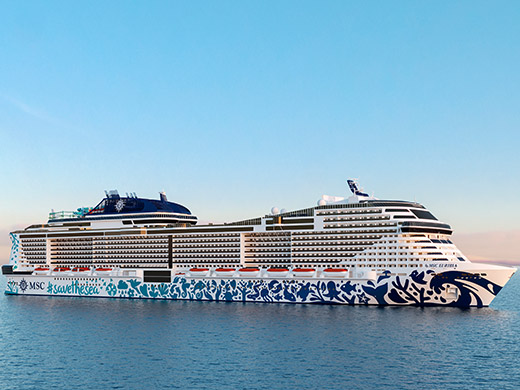
"The Windward Islands are the southern chain of the Lesser Antilles, comprising Dominica, Martinique, Saint Lucia, Saint Vincent and the Grenadines, and Grenada."
Planning a trip to the Caribbean, you’ll notice two labels that come up again on maps and cruise itineraries, the Windward Islands and the Leeward Islands. Both groups are part of the Lesser Antilles, the chain of islands running from Puerto Rico towards South America, where the Caribbean Sea meets the Atlantic Ocean. These names hark back to the age of sail, and still affect the way people plan routes, cruises, and yacht charters today.
This guide covers what the Windward Islands are, where the Leeward Islands are, and the differences between the two in terms of geography, climate, and travel experience. You will also learn about the Windward Islands of French Polynesia, where Tahiti and Moorea are, and why sailors named these islands centuries ago.
Key Takeaways
- The Windward Islands (Dominica, Martinique, Saint Lucia, Saint Vincent and the Grenadines, Grenada) are the southern arc of the Lesser Antilles.
- The Leeward Islands are further north and include Antigua, Barbuda, Saint Kitts, Nevis, Montserrat, Guadeloupe, and the Virgin Islands.
- The names describe the position with respect to the northeast trade winds. Windward islands are islands that face upwind, whereas leeward islands lie downwind.
- The Windward Islands are mountainous, volcanic, and lush. Many leeward islands are smaller, flatter, and drier.
- There is another group of Windward Islands in French Polynesia's Society Islands, which includes Tahiti, Moorea, and the atoll of Tetiaroa.
Which islands are the Windward Islands?
The Windward Islands are the southern island group of the eastern Caribbean, part of the Lesser Antilles. The chain runs from Dominica in the north to Grenada in the south, ending near Trinidad and the South American coast. They are called Islas de Barlovento in Spanish and îles au Vent in French.
Because the Windward Islands sit directly in the path of the northeasterly trade winds, conditions vary through the year so it's worth checking the best time to cruise the Caribbean before you book, when the seas are calmest and rainfall is lowest.
The thing that makes the Caribbean Windward Islands special is their geology. The chain is situated on a subduction zone where the Atlantic plate is being pushed two to four centimeters a year under the Caribbean plate. The slow collision created tall volcanic peaks, crater lakes, hot springs, and black sand beaches.
Mount Pelée on Martinique erupted in 1902, killing more than 30,000 people in one of the deadliest eruptions in modern history. La Soufrière on Saint Vincent erupted as recently as 2021. It is also constantly exposed to wind, and this means it gets a lot of rain that supports dense rainforests all along the higher slopes.
Windward Islands Countries and Territories
Definitions vary slightly by source, but the core list of Windward Islands countries and territories looks like this:
- Dominica is an independent country called the Nature Island.
- Martinique is an overseas department of France and an integral part of the European Union.
- Saint Lucia is an independent country with the twin Piton peaks.
- Saint Vincent and the Grenadines is an independent country comprising some 600 islands and cays, including Bequia, Mustique, and the Tobago Cays.
- Grenada is an independent country known as the Spice Isle for its nutmeg and cocoa production.
Some older sources, including guides to the cruise industry, add Barbados, Trinidad, and Tobago. This goes back to the colonial days when Britain amalgamated several of these territories into one administration called the British Windward Islands. Barbados even became the administrative seat for some time before leaving the grouping in 1885. Modern geographers usually consider Barbados and Trinidad and Tobago as separate from the rest of the chain, as neither is located on the main volcanic arc.
Which islands are the Leeward Islands?
The Leeward Islands are the northern part of the Lesser Antilles. Starting east of Puerto Rico, the Virgin Islands lead the group, then arc southeast to Dominica. The Windward chain picks up the narrative from there. On a map, the Leeward Islands are the place where the Caribbean arc turns from east-west to north-south.
The main Leeward Islands include:
- The U.S. Virgin Islands and the British Virgin Islands.
- Anguilla.
- Saint Martin and Sint Maarten, one island split between France and the Netherlands.
- Saint Barthélemy.
- Saba and Sint Eustatius.
- Saint Kitts and Nevis.
- Antigua and Barbuda, plus uninhabited Redonda.
- Montserrat.
- Guadeloupe.
There are Dutch, French, British, and American territories here, meaning the area has a wider cultural mix than the Windward chain. Within a day’s sail of each other, you can see Dutch colonial architecture on Sint Eustatius, French cuisine on Saint Barthélemy, and British traditions on Antigua.
Northern Leeward Islands
The northern Leeward Islands are a tight bunch at the top of the arc: Anguilla, Saint Martin, Saint Barthélemy, Saba, Sint Eustatius, Saint Kitts, Nevis, and the Virgin Islands. The proximity of the anchorages makes this area very popular with charter sailors and island hoppers.
Saint Martin is less than two hours away by boat from Anguilla. Saba shoots 2,910 feet straight up from the sea, and Anguilla is flat and surrounded by white sand. It’s the contrast in such a small area that makes the northern Leeward Islands so popular with repeat visitors.
Leeward vs Windward Islands: The Key Differences
The leeward vs windward islands debate is reduced to five elements:
- Location: The Windward Islands are in the southern part of the Lesser Antilles, closer to South America. The Leeward Islands, closer to Puerto Rico, are to the north.
- Wind exposure: The Windward Islands are exposed to the full force of the northeast trade winds. Both names stem from the fact that the Leeward Islands are farther away from the path of the direct winds.
- Terrain: Windward Islands are mountainous and volcanic; Dominica and Martinique are volcanic with peaks over 1,400 m The Leeward Islands are smaller and lower, but Saba and the Soufrière volcano in Guadeloupe are exceptions.
- Rainfall and vegetation: The Windward chain gets a lot of rain and moisture pushed in on the wind, so it has thick rainforests, waterfalls, and rivers. The leeward islands are drier, with less rain and drier scrubby vegetation, which means also more reliably sunny beach weather.
- Culture: French influence in the Windward chain via Martinique and past connections in Saint Lucia and Dominica. Across a dozen jurisdictions, the Leeward Islands are a mix of British, Dutch, French, and American influences.
The practical difference is simple for trip planning. Hiking, volcano landscapes and steady sailing wind. Choose the Windward Islands. Pick the Leeward Islands for laid-back beaches, simple island-hopping, and a combination of cultures.
Why Are They Called the Windward Islands?
The names date the great age of transatlantic sailing. Trade winds blow steadily from the northeast across the Atlantic, so ships leaving Europe rode those winds straight toward the southern Lesser Antilles. Dominica and Martinique were usually the first land sighted after weeks at sea.
The British sailors came up with the labels from their own point of view. The Windward Islands got their name because they were on the weather side, beating upwind into the wind, to reach the southern chain from British bases. The northern chain was downwind, on the sheltered side, so those islands became the Leeward Islands. In sailing, the windward side is the side from which the wind blows, and the leeward side is the side toward which the wind blows.
The logic works anywhere where wind meets islands, which is why several archipelagos around the world use the same two labels.
Windward Islands Beyond the Caribbean
French Polynesia Windward Islands
The Society Islands of French Polynesia are two island groups that stretch over 720 kilometers in the South Pacific. To the east are the Windward Islands of the Society Islands: Tahiti, Moorea, Maiao, Mehetia, and the atoll of Tetiaroa. Tahiti is the biggest island in French Polynesia and is home to the capital, Papeete. Jagged peaks and lagoon resorts lure visitors to Moorea, 17 kilometers northwest of Tahiti.
Further west is the Leeward Islands of French Polynesia, which include Bora Bora, Raiatea, Tahaa, and Huahine, along with atolls such as Maupiti and Tupai. The eastern Windward group shelters the western Leeward group from the southeast trade winds, the same principle as in the Caribbean.
So, when someone speaks of the Windward Islands of Tahiti, they are referring to this Pacific group and not the Caribbean chain.
Cape Verde and Hawaii
Cape Verde, off the west coast of Africa, is divided into the Barlavento (windward) islands in the north and the Sotavento (leeward) islands in the south. The windward group includes Santo Antão, São Vicente, Sal, and Boa Vista. The terms in Hawaii describe coastlines, not single islands. Oahu’s windward side is exposed to the trade winds and stays green and wet, while the leeward side around Waikiki is drier and sunnier.
Windward Islands vs Barbados, Jamaica, and Guyana
Many of the comparisons people search for, such as Barbados vs. the Windward Islands or Windward Islands vs Guyana, are related to West Indies cricket. The Windward Islands have a combined team for regional tournaments, with players coming from Dominica, Grenada, Saint Lucia, and Saint Vincent and the Grenadines. You will see fixtures such as Jamaica v Windward Islands on the regional scorecards every season, as Barbados, Jamaica, and Guyana all have their own teams.
The three comparisons are geographically divided as follows. Barbados is some 160 km off the main chain to the east and is formed from coral limestone rather than volcanic rock, giving the island its flatter terrain and famous white sand. Jamaica is in the western Caribbean island, part of the Greater Antilles, over 1,000 miles from the Windward chain and vastly larger in size and population than any individual Windward island. Guyana is not even in the Caribbean Sea, but on the mainland of South America. Yet history and cricket keep the country tied to the islands.
Sailing the Windward Islands
Sailing the Windward Islands ranks among the best charter experiences in the world, and the conditions explain why. The trade winds blow from the east at 15 to 25 knots with strong consistency from December into late spring. Because the islands line up north to south, boats sail across the wind in both directions, a comfortable point of sail for most crews.
Distances also work in your favor. The islands sit far enough apart for open-water passages of two to four hours, then reward you with calm anchorages on each island's sheltered western coast. A classic one-week route runs from Saint Lucia south through Saint Vincent, Bequia, Mustique, and the Tobago Cays, finishing in Grenada. The Tobago Cays Marine Park protects five uninhabited cays where you anchor beside a horseshoe reef and swim with sea turtles.
Plan around the seasons. The dry season from November to April offers the best conditions. Hurricane season runs from June through November, and Grenada sits near the southern edge of the main hurricane belt, which is why many boats spend the summer there.
Windward Islands Cruise Options
A cruise to the Windward Islands is normally found in cruise brochures under the best Southern Caribbean cruise lines heading. The popular ports include Bridgetown, Barbados; Castries, Saint Lucia; Fort-de-France, Martinique; Kingstown, Saint Vincent; Roseau, Dominica; and St. George’s, Grenada. Most Southern Caribbean cruise itineraries leave from San Juan, Barbados, or Martinique rather than Miami because the islands are further away from Florida, and the region is heavily served by small ship and luxury lines. Leeward Islands ports such as Antigua, Saint Kitts, and the Virgin Islands feature more frequently on Eastern Caribbean cruise routes out of Florida.
If you are looking for a bigger cruise, consider Holland America Line’s 11-day Eastern Caribbean itinerary from Ft Lauderdale. These sailings stop at ports like Dominica and Martinique and offer amenities and entertainment of a larger cruise ship.
FAQs
What are the Windward Islands?
The Windward Islands are the southern islands of the Lesser Antilles in the Caribbean: Dominica, Martinique, Saint Lucia, Saint Vincent and the Grenadines, and Grenada. Some sources add Barbados, Trinidad, and Tobago based on colonial-era groupings.
Where are the Leeward Islands located?
The Leeward Islands sit in the northern Lesser Antilles, east of Puerto Rico, running from the Virgin Islands southeast to Guadeloupe.
What is the difference between leeward and windward islands?
Windward islands face the incoming trade winds, while leeward islands sit away from the direct wind path. In the Caribbean, the Windward Islands also tend to be taller, wetter, and more mountainous than the Leeward Islands.
Are the Virgin Islands windward or leeward?
Both the U.S. and British Virgin Islands belong to the Leeward Islands at the northern end of the Lesser Antilles.
Is Barbados part of the Windward Islands?
Not in most modern definitions. Barbados sits east of the volcanic arc and was formed from coral limestone. The island did belong to the British Windward Islands administration until 1885, which is why older sources include Barbados in the group.
What are the Windward Islands in French Polynesia?
Tahiti, Moorea, Maiao, Mehetia, and the Tetiaroa atoll form the Windward Islands of the Society Islands in French Polynesia.
Plan Your Windward and Leeward Trip
At first, the windward and leeward labels are confusing, but there is one rule that explains the whole map: follow the wind. The trade winds hit the southern Lesser Antilles first, those islands are windward. Those islands are leeward, in the wind shadow. The northern islands are in wind shadow. Use the difference to tailor a trip to your objectives.
Book the Windward Islands for volcano hikes, rainforest waterfalls, and steady charter sailing. Book the Leeward Islands for short island hops, peaceful anchorages, and beach days. Either way, November through April is the dry season with the most reliable weather, and both chains reward travelers who venture beyond a single port stop.