yes but not in lifeboats alone. SOLAS Chapter III, Reg. 21 requires lifeboats on each side for at least 37.5% of persons aboard when liferafts make up the balance, plus liferafts for a further 25% total survival-craft capacity of at least 125%. That's why Icon of the Seas carries 9,950 people but only 7,650 lifeboat seats. It's a designed outcome, not a shortfall.
When you gaze at a cruise ship, you can see lifeboats because they are bright orange vessels that hang from ship sides. The boats serve as a vital function that extends beyond their appearance. The two types of boats, inflatable boats and regular boats, serve as essential maritime safety equipment that protects all passengers and crew members during rare emergency situations.
The guide provides comprehensive information about cruise ship lifeboats, which includes their operational functions, storage locations, total number of lifeboats, and their capacity to evacuate all onboard passengers. The modern designs will be examined inside their design space, which will include answers to frequently asked questions about toilets and the different lifeboat designs used by leading cruise companies.
What Are Lifeboats Called on a Cruise Ship?
They divide emergency craft on a cruise ship into two main types, which include
- The ship has rigid lifeboats that serve as permanent hard-shell lifeboats that operators use to navigate through closed installation points throughout the ship.
- The portable life rafts, which are called "cruise ship life rafts," exist as small devices that emergency services use to rescue people from their container.
The cruise ships employ these two types of boats to establish their emergency response frameworks, which include safety boats as their primary operational system. International maritime regulations define both items as recognized lifesaving equipment, provided that the required capacity standards are satisfied.
Modern Cruise Ship Lifeboats: Built for Safety
The existing lifeboats of modern cruise ships develop their design through their transition from traditional open wooden lifeboats that used to exist in earlier times. The system includes complete ocean-proof designs that use motorized systems to operate under severe maritime conditions.
Key safety features include the following:
- Enclosed hulls that protect occupants from wind, waves, and exposure
- Fire-resistant materials to withstand fuel fires on the water’s surface
- The system operates with diesel engines and battery systems (yes, cruise ship lifeboats do have motors).
- The emergency supplies package contains water and food rations together with first-aid equipment.
- The system uses radios and GPS beacons as its navigation and communication tools.
These types of boats can carry crew members from their ship to shore while they stay in operation until rescue personnel show up there.
Lifeboats on Major Cruise Lines
Passengers commonly ask about lifeboat variations among different cruise lines because safety regulations exist as worldwide standards. Cruise lines must follow identical international safety regulations, which allow design elements and appearance components to differ between their lifeboats. Existing lifeboat operations across popular cruise lines operate according to established testing methods.
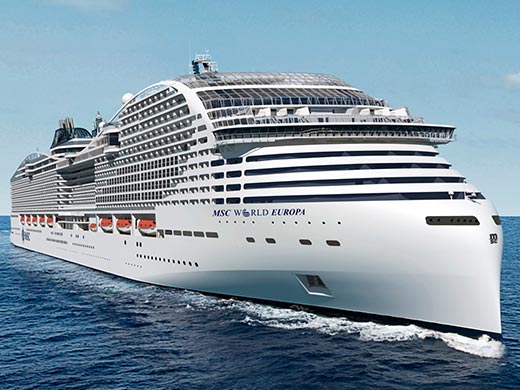
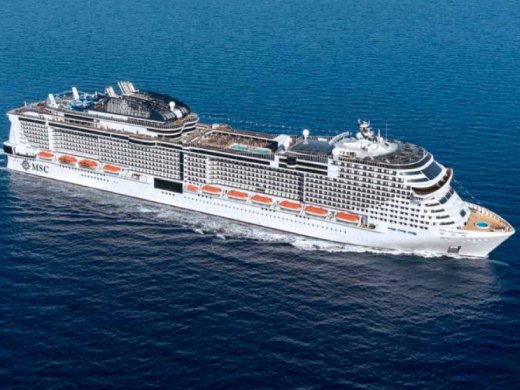
- MSC Cruise Ship Lifeboats: The MSC cruise ship lifeboats present modern features through their complete enclosure system and their ability to carry large numbers of passengers. The lifeboats on MSC's latest vessels serve two purposes because they function as both life-saving devices and tender boats for use at locations without docking spaces. The safety systems and passenger capacity of the system operate according to the requirements needed to manage typical passenger flows on the large ships that MSC operates through its cruise line.
- Costa Cruise Ship Lifeboats: Costa cruise ship lifeboats follow the same international safety standards, with an emphasis on efficiency and visibility. Costa ships operate their enclosed lifeboats through two features, which include visible signage and two spaces for passengers to board the lifeboat. The modern Costa fleet uses inflatable life rafts together with lifeboats to achieve complete evacuation capacity throughout all Costa Cruises-operated vessels.
- Celestyal Cruise Ship Lifeboats: Celestyal cruise ship lifeboats operate on smaller- to mid-sized ships, which match the cruise line's design for intimate passenger experiences. The lifeboats provide complete safety coverage because they have complete enclosure systems and motorized function, which enables them to transport all passengers on the ship. The Celestyal cruise line operates its ships through a system that uses rigid lifeboats together with inflatable life rafts to provide complete safety protection.
- RCL (Royal Caribbean) Cruise Ship Lifeboats: The lifeboats that Royal Caribbean cruise ships use for emergency situations have their design features and launching capabilities so that they can operate during emergency situations. The world's largest cruise ships use lifeboats together with their complete inflatable raft systems to create safe spaces that can hold all their passengers and crew members.
- NCL Cruise Ship Lifeboats: The lifeboats used by Norwegian Cruise Line for their cruise ships operate as high-capacity enclosed lifeboats, which feature modern systems for driving and ship navigation. The NCL fleet utilizes lifeboats, which serve as essential tender boats that help to use space effectively while maintaining complete safety standards.
- Carnival Cruise Ship Lifeboats: Carnival Cruise Line operates its entire fleet with lifeboats that feature complete enclosure and strong construction to handle high passenger weights. The new ships use these lifeboats as permanent parts of their design to operate tender services at ports while still fulfilling all requirements for emergency evacuation procedures.
How Do Lifeboats on Cruise Ships Operate?
People want to discover how lifeboats on cruise ships function during actual emergency situations. The process consists of these steps:
- Muster stations: Passengers gather at assigned muster stations after an alarm.
- Boarding: Crew members guide passengers into assigned lifeboats.
- The lifeboat launching process uses davits to lower the boat, or some ships use water slides to launch the boat.
- The lifeboat uses its motor to travel away from the ship after it is released from the ship.
The mandatory safety drills, which take place at the beginning of every cruise, serve as the scheduled times for this process to be practiced.
Where Are the Lifeboats Located on a Cruise Ship?
The location of lifeboats on a cruise ship is determined by a straightforward answer that states lifeboats are found on outer decks, which exist below the passenger promenade and cabin levels. If you're wondering which deck is better on a cruise ship, it's helpful to know that lifeboat locations are strategically placed on designated outer decks for safety and quick emergency deployment rather than passenger convenience.
You will find the following items on board the ship:
- The ship has two sides that display rigid lifeboats that operators can lift using davits.
- The upper decks store inflatable life rafts, which reside inside white cylindrical canisters.
The ship's design allows for fast launching of emergency equipment because the equipment rests at points that enable operational access during times of emergency.
How Many Lifeboats Are on a Cruise Ship?
The question to how many lifeboats are there on a cruise ship is being asked frequently mainly because there is no single answer to the problem.
The total depends on:
- The ship’s passenger and crew capacity
- The combination of static lifeboats with portable life rafts
- International maritime regulations
Modern cruise ships have the capacity to transport between 20 and 30 fixed lifeboats together with multiple inflatable life rafts. The total seating capacity of the boats holds greater importance than their actual count.
Are There Enough Lifeboats for Everyone on a Cruise Ship?
The most frequent worry about this matter demonstrates that this problem has a positive solution. Many travelers who ask how many people fit on a cruise ship also wonder whether there are enough lifeboats available for everyone on board.
International maritime law requires that there are enough lifeboats and life rafts for every person on board, often with additional capacity as a safety margin. The total number of seats for lifeboats and inflatable rafts exceeds the requirement which demands that all passengers and crew members must be accommodated.
The answer to your question about lifeboat capacity on cruise ships confirms that all passengers will be safe because there are sufficient lifeboats.
Cruise Ship Lifeboats Capacity Explained
The capacity of cruise ship lifeboats depends on their specific design. The smaller lifeboats can transport between 100 and 150 people while the larger lifeboats have a capacity of 300 or more passengers. The inflatable rafts have a lower passenger capacity, but their quick deployment ability helps maintain required capacity levels for operations.
The ship certification process and inspection process require precise capacity data to be calculated and recorded for official documentation purposes.
Inside Cruise Ship Lifeboats: What’s It Really Like?
Lifeboats on cruise ships are only possible in emergency muster drills on deck. Inside the building people will find:
- The building contains bench seating which extends throughout its interior space.
- The building contains seat belts and safety straps.
- The building has small windows which function as viewports.
- The building contains an operator console which controls both steering and engine functions.
- Emergency kits contain essential supplies which include water and rations and seasickness bags and first aid materials.
The design provides essential safety functions which create a secure and protected environment for all users.
Do Cruise Ship Lifeboats Have Toilets?
Yes, many do. The question of whether cruise ship lifeboats contain toilets addresses real needs for emergency situations that exceed multiple hours of survival time. Modern enclosed lifeboats built today include essential toilet facilities or sanitation systems which operators can access through a small privacy partition.
Emergency situations require lifeboats to function as practical solutions, which brings out their most basic design elements.
Cruise Ship Inflatable Life Rafts
The cruise ship inflatable life raft serves as an essential partner to rigid lifeboats which make up the main safety system. These rafts are:
- Stored in sealed canisters
- Designed to inflate automatically when released
- Equipped with canopies, boarding ladders, and emergency supplies
The use of inflatable life rafts provides additional emergency evacuation equipment, which enables safe evacuation of all passengers because they weigh less and occupy reduced storage space.
Do Cruise Ship Lifeboats Have Motors?
The lifeboat system makes safe evacuation possible as it offers emergency lifeboats along with safety equipment for rescuing passengers. They usually run on:
- Diesel engines, protected within the hull
- Or, increasingly, electric or hybrid systems on newer ships
The lifeboat system enables us to escape from dangerous situations because it allows the lifeboat to depart the ship, navigate around obstacles, and return to safe collection points.
The Importance of Lifeboats Has Increased During This Period
The modern cruising industry has achieved its highest level of safety, yet lifeboats continue to serve as fundamental elements of maritime security. The development of new materials and engine systems and navigation technologies and design techniques enable modern cruise ship lifeboats to deliver effective and dependable emergency response capabilities.
Safety equipment aboard cruise ships which include safety boats and inflatable rafts exists solely to safeguard human life.
FAQs related Cruise Ship Lifeboat
How many people fit in one cruise ship lifeboat?
Standard SOLAS lifeboats hold up to 150 people. Modern cruise ships use larger certified lifeboats seating 300 to 450. The 450-person lifeboats aboard Icon of the Seas are the highest-capacity lifeboats ever approved for service.
Why are cruise ship lifeboats orange?
Lifeboats are painted International Orange because it gives maximum contrast against open sea and sky, making them far easier for search-and-rescue aircraft to spot. Disney Cruise Line uses yellow lifeboats to match its livery yellow meets the same SOLAS visibility standard.
How long can you survive in a cruise ship lifeboat?
Every SOLAS lifeboat carries emergency rations of at least 10,000 kilojoules of food and three litres of drinking water per person, plus first aid supplies, thermal blankets and seasickness tablets. Lifeboats are designed to sustain occupants for several days until rescue, not for long-distance travel.
Can a cruise ship lifeboat capsize or sink?
Modern enclosed lifeboats are self-righting and designed to return upright if rolled by a wave. They have sealed buoyancy chambers that keep them afloat even when flooded. Regulations also require survival craft on both sides of the ship, so a list or capsize cannot disable the entire system.
Have cruise ship lifeboats ever actually been used?
The most recent large-scale evacuation was the Costa Concordia in 2012, when lifeboats and liferafts evacuated more than 4,000 people. The Viking Sky was partially evacuated by helicopter in 2019. Full lifeboat evacuations remain extremely rare most cruise incidents end with the ship returning to port under its own power.
Will a lifeboat block the view from my cabin?
It can. Obstructed-view cabins are usually on decks 5 to 8, the same decks where lifeboats hang from their davits. Some cabins have a lifeboat filling most of the window; others have only a partial obstruction with clear ocean visible above or beside it. Deck plans mark these cabins before you book.
Is it bad to book a cabin on the lifeboat deck?
Not usually. Lifeboat-deck cabins are often discounted and sit low and midship, where motion is least noticeable an advantage if you are prone to seasickness. The trade-off is a partly or fully blocked view, and occasional early-morning noise when crew run lifeboat maintenance drills.
Do I have to attend the lifeboat drill?
Yes. SOLAS requires every passenger to complete a muster drill within 24 hours of boarding, and the drill is mandatory regardless of how many times you have sailed before. Most lines now run a digital version you complete in the app, then check in muster drill guide briefly at your muster station.
How do I find my muster station?
Your muster station is printed on your cruise card and on the deck plan posted inside your stateroom door. It is identified by a letter or letter-number code and is usually an indoor lounge or an open deck area near the lifeboats. Assignments are based on your cabin location.
Final Thoughts
A cruise ship lifeboat exists as more than an orange-colored safety device which hangs from a ship's exterior. The object functions as a survival craft which according to its design and testing process must transport multiple people to secure locations.
The information you need about cruise ship lifeboat operations and cruise ship lifeboat locations and cruise ship lifeboat capacity will lead you back to established safety requirements and intelligent design solutions.
The next time you approach a lifeboat which stands on the deck, you will understand its function and operation and its significance as an essential component of the ship.