There is something profoundly different about seeing wildlife from the deck of a ship, rather than through a fence at a zoo. Cruising gives you this rare mix of comfort and access; you sort of drift quietly into remote habitats where the animals live in a way that is not really touched by people. Whether it is a humpback whale breaching right alongside your ship in Alaska, or a king penguin colony running along a sub-Antarctic shoreline, wildlife cruises manage to deliver moments that most other travel styles can’t quite match.
And honestly, what makes a place truly exceptional for wildlife watching boils down to a few core things: how near you can get to animals inside their natural living area, how much variety and abundance you actually find, and also how well-trained the guides are, so you grasp what you’re looking at. In this guide, we’ll walk through the best cruise destinations on earth for wildlife lovers, from the freezing waters of Antarctica to the thick rainforests of Borneo.
What Makes a Great Wildlife Cruise Destination?
Before you jump into specific places, it helps to get a feel for what really makes a wildlife cruise special, versus just “pretty good” kind of trip.
Proximity and Access to Untouched Environments
The best wildlife cruise destinations are where a ship can go close to nature, without yanking it out of balance. Smaller expedition ships usually have the upper hand here, because they can sit near wilderness areas where wildlife hangs out, not like big commercial ports where people get shuffled off on buses, and then everyone hopes for the best from a distant overlook. That kind of direct access is often the line between a brief sighting and something you remember for years, too real.
Density and Diversity of Species
Not every wildlife destination brings the same “mix” to the table. Some areas, like the Galapagos Islands or the Amazon, seem to stack an almost shocking number of species into a limited space. Other regions, like Antarctica, may show fewer kinds overall, but what you do see can feel intense—whether it’s the sheer volume or the way sightings come close enough to matter.
Quality of Naturalist Guides and Expedition Programming
A great wildlife cruise isn’t only about spotting things from the deck. It’s also about comprehension. The best expedition cruises connect you with what you’re seeing and then make sense. You get extraordinary species, often at surprisingly close range, and they’re explained by naturalists who’ve spent years studying ecology, so your questions don’t just float around they get answered.
Best Ship Types for Wildlife Viewing
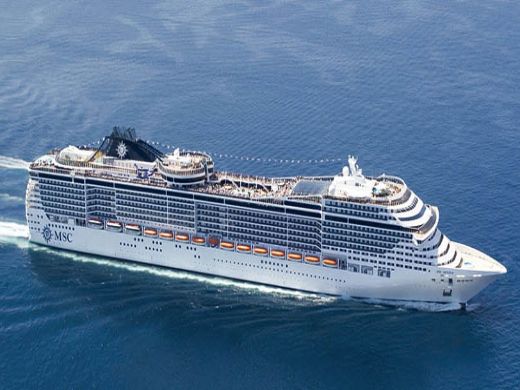
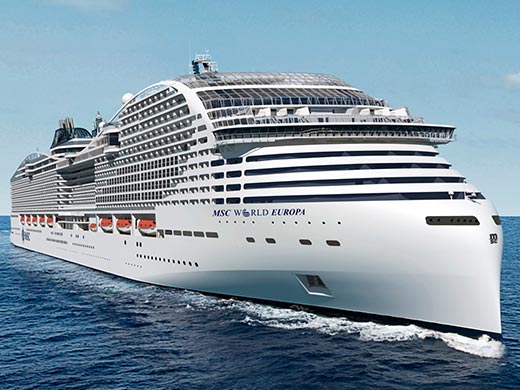
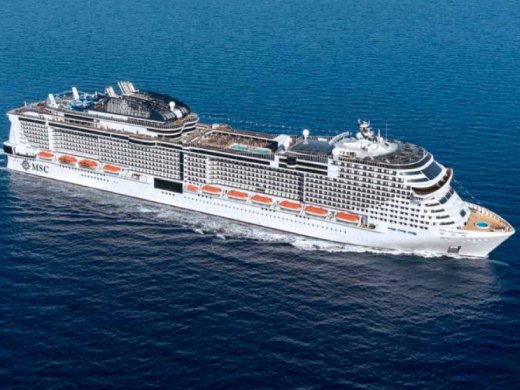
Honestly, if you’re really trying to see wildlife, then small expedition ships and dedicated wildlife vessels tend to do a lot better than the usual megaships. It’s like they can get closer to delicate habitats because they’re not that large, and they can shift plans faster when animals show up, or when conditions change. Plus, the onboard vibe is usually more intimate—less “big spectacle” and more nature-leaning, focused on observation and discovery, exactly what you want.
Top Wildlife Cruise Spots
So, we listed a few top wildlife cruise destinations below like they’re some kind of shortcut to wonder, each one has its own odd ecosystem and genuinely memorable animal encounters. You know, think “different habitats” and “unusual surprises”, all in one itinerary. Also, on those cruises you get to see creatures up close in ways you cannot really plan for, unpredictable and still amazing. Let’s keep it simple, pick one place, let the sea do the rest, and enjoy the sightings.
Alaska's Inside Passage
Alaska's Inside Passage still feels like one of the most favorite wildlife cruise destinations, worldwide, and honestly it’s for a reason. On Admiralty Island, the streams where you watch bears are bear-viewing really, and because it’s mostly reachable by small vessels only, the whole place stays intimate. There you can spot some of the greatest densities of brown bears in North America. Then there’s Frederick Sound, where humpback whales are feeding, and those waters are reached straight by Zodiac, so guests end up around 30 to 50 meters from bubble-net feeding moments.
And it’s not just bears and whales. You’ll see sea otters, bald eagles, and even orcas, constantly. A few ports that really stand out are Juneau for whale watching, Sitka for its sea otter colonies, and Glacier Bay National Park. In Glacier Bay there’s a cruise-only approach, meaning no private boats allowed, which makes the scenery feel extra protected, or just less crowded.
Antarctica
Few places on earth can truly rival Antarctica for pure wildlife spectacle if you ask me. On most Antarctica tours the main draw is the hard-to-ignored sighting of tough Antarctic wildlife including penguins, seals, seabirds, and a whole lineup of whale species. Usually, the expedition cruises head toward the South Shetland Islands and the Antarctic Peninsula, spots where enormous penguin colonies, and seal rookeries spread across the frozen shorelines like a living blanket.
It’s expedition-style cruising at its most honest, kinda rough around the edges, in an effective way. The small ships thread their way through ice floes then deploy Zodiac boats so travelers can step right onto the shoreline for close, unexpected encounters with wildlife that have rarely, or never, seen as a human being.
The Galapagos Islands
The Galapagos Islands are the most famous wildlife stop on earth, and honestly for a good reason. They host land and sea iguanas, sea lions, giant tortoises, and blue-footed boobies, quite a few of which act almost unbothered by people, mostly because there are no natural predators to keep things tense.
Small ships matter a lot here, not only for environmental protection, but also because they make it possible to get to far off landing spots that bigger vessels just can’t reach. In general, the best time to come is from December to April, for that calm, warmer water that works great for snorkeling. Meanwhile bird watching tends to peak somewhere between April and June, which feels like a sweet spot.
If you’re chasing whales and dolphins, then the “best time and place” situation is June to October, with the passage or channel between Isabela and Fernandina Islands giving the most consistent encounters. Then, the cooler stretch from July through November often brings the broadest number of sightings, and the busiest moments are typically in September and October.
The Amazon River (Peru & Brazil)
If you’re looking for a wildlife encounter that’s not like usual, the Amazon basin gives a truly unusual range of creatures, all scattered along its winding waterways. Seeing a sloth, kind of peering through the rainforest canopy, is a quiet little highlight on wildlife cruises along the river in Peru and Brazil and honestly spotting one in the wild can make it feel like time is slowing down.
Cruising the Amazon feels fundamentally different than doing ocean cruising. The smaller riverboats glide slowly along narrow tributaries, so you get these close-up moments with pink river dolphins, caimans, and an astonishing variety of bird life. And while the whole thing is absolutely tied to wildlife, it’s also about the people and their everyday culture along the river. Still, it’s the sheer range of creatures that steals the show.
Norwegian Fjords & Arctic Norway
Norway gives travelers this pretty dramatic mashup of scenery plus wildlife that feels hard to beat anywhere else on Earth. Down by the fjords and along the coastline, you might catch sight of whale puffins, and other seabirds, looking up at towering cliffs that spill waterfalls in complete disorder. Once you go further north, Svalbard adds that special, rare chance to see polar bears out in their own Arctic world, not just from a brochure, with walruses and Arctic foxes also around.
South Georgia Island
South Georgia Island is often tacked on to Antarctica cruises, and honestly it can feel like a real jaw-dropper of a wildlife stop. Here you’ll find huge king penguin gatherings, plus seals and a few albatross groups that nest along a very rugged, mountainous shoreline.
Most of the time, this place is treated as an add on for longer Antarctic expedition plans, rather than as a standalone visit, and yes the price is higher than expected because it’s remote and you need specialized expedition vessels to get there. Still, even with the cost, lots of travelers say it turns out to be one of the most fulfilling wildlife moments they’ve ever had, really.
Best Time of Year for Wildlife Cruises
So, the best time of year for a wildlife cruise depends, but here’s an easy seasonal snapshot to help you plan, and yes it’s not too complicated.
Alaska’s Inside Passage tends to be best from June until around mid-August, when everything feels a bit livelier. Antarctica, plus South Georgia Island, are usually ideal from November through March. The Galapagos Islands work year-round, yet whales are more active from June to October, and bird watching tends to peak between April and June.
If you’re thinking about the Amazon River, go during low water season, usually from June to November so wildlife spotting feels more manageable. Norway’s fjords, and the wider Arctic areas, are best from June through August. For Costa Rica and the Panama Canal, the dry season runs December to April and that’s the sweet spot.
Tips for the Best Wildlife Viewing Experience on a Cruise
- Pack 8x42 binoculars because smartphone cameras can’t reach far enough. You’ll want waterproof ones for that distant ocean scanning, just in case the weather turns a bit messy.
- Stake out lower decks, get nearer to the water line. Pick those lower promenade areas rather than the higher pool decks so marine life feels more visible, even when it’s a little hidden.
- Shadow the ship’s naturalist, follow along during the onboard wildlife lectures. Then try to spot animals near the resident biologists, they often move around observation decks while you’re still getting your bearings.
- Watch the early morning routine. Waking up at dawn, calm waters and early light make it easier to catch predator activity. It’s like the ocean is quieter and everything shows up sooner.
- Leave cabin speakers on, don’t switch them off. Keep bridge announcements audible. Captains will relay sudden whale or bear sightings right to cabins, so you won’t miss the moment.
- Book small boat shore excursions too. Skip the big noisy bus tours. Go with small zodiacs, catamarans, or even kayaks that can slip through shallow waters.
- Target the seasonal peaks. Do a little research on wildlife cycles. Try matching your cruise date with regional moments like salmon runs, or hatching seasons that line up with where you are.
- Follow the diving birds. When flocks hit the water hard, that’s usually a sign of baitfish nearby with whales feeding below, or at least something feeding aggressively.
Conclusion
Wildlife cruising gives a rare chance to see nature right up close without messing it up much, like whales breaching in Alaska, or penguins pooling on South Georgia’s shores. Each stop in this guide has its own timing, ecosystem, and overall vibe of encounter, but the good moments seem to come down to one thing, access. Pick the proper season, try smaller expedition ships when you can, and go with operators who lean into strong naturalist mentorship, then you’ll bring back memories that stick around much longer than the voyage itself.