

Yes — you can absolutely take a babymoon cruise while pregnant, and most major cruise lines welcome pregnant travelers. The one firm rule: nearly every line, Royal Caribbean, Carnival, Norwegian, Disney, and MSC included, won't let you sail once you've entered your 24th week, so you're clear through about week 23. That makes the second trimester the sweet spot, and a doctor's "fit to travel" note is usually the only paperwork you'll need.
Which is a little surprising more couples don't consider it, because a cruise quietly delivers everything pregnancy wants out of a trip. Food you can reach at any hour. A bed you unpack into once and never touch again. A balcony you can sit on for half a day without anyone asking what the plan is. A babymoon cruise hands you all of that, with a sunset thrown in most nights — it just doesn't trend the way Tulum or Santorini does, partly out of habit, partly because of that third-trimester wall.
Here's what's worth knowing about the best cruise lines for pregnant travelers before you book your babymoon.
The 24-Week Rule (Everyone Has It)
Practically every ocean cruise line on the planet has settled on the same cutoff: you cannot be in your 24th week of pregnancy at any point during the sailing. Some phrase it as "no more than 23 weeks pregnant for the duration of the cruise" — that's the same number wearing a different shirt.
Why 24? It's the rough doorstep of the third trimester, when preterm labor risk rises and the equipment a ship's infirmary carries — built for stitches, stomach bugs, and the occasional broken wrist — stops being a match for what could go wrong. Cruise ships are not equipped to deliver babies. Some are days from the nearest port with a NICU. Lines aren't being precious; they're being realistic.
You'll fill out a health questionnaire at check-in, and most lines also want a "fit to travel" letter from your OB stating your due date, that the pregnancy is low-risk, and that mother and baby are doing well. Bring it. Even when it's officially optional. Pier agents are tired and the letter shortcuts the conversation.
How the Major Lines Compare
The differences between lines are mostly procedural, not substantive. Still, worth knowing:
Royal Caribbean

23-week cap, no exceptions. The pre-cruise health questionnaire asks directly whether you'll be more than 23 weeks pregnant at any point during the cruise. Answer yes, you don't sail. Answer no when you actually will be, and you've just committed health-questionnaire fraud, which — surprise — also doesn't get you on the boat.
Carnival Cruise Line
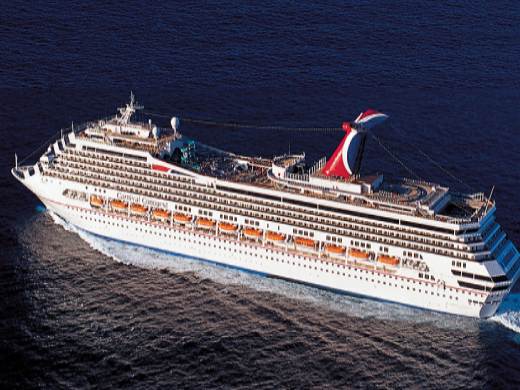
24-week limit measured from disembarkation. Wants a physician's letter covering your due date, ultrasound results, and confirmation the pregnancy is low-risk. Carnival is fairly straightforward to deal with on this; their customer service has dealt with the question a thousand times.
Disney Cruise Line
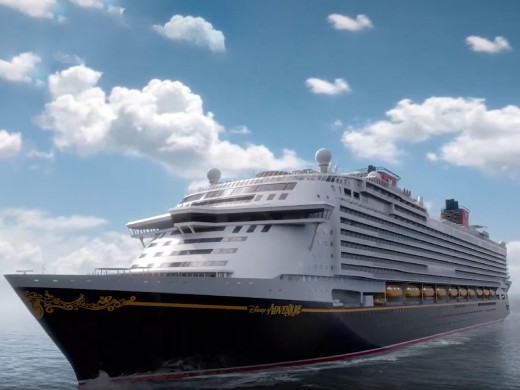
This is the strict one. 24-week cap, and Disney spells out in plain language that no medical statement, no waiver, no liability release will get you on board past that point. If your due date math puts you at 24 weeks on day six of a seven-day Bahamian sailing, find a different week. Don't try to negotiate. People have tried.
Norwegian Cruise Line
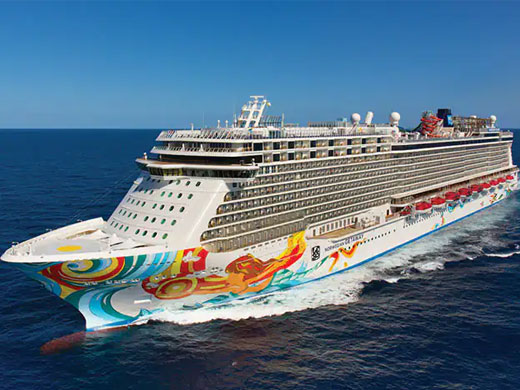
24 weeks, medical certificate required. NCL also asks you to notify them of the pregnancy in advance rather than springing it on the pier agent.
Celebrity Cruises
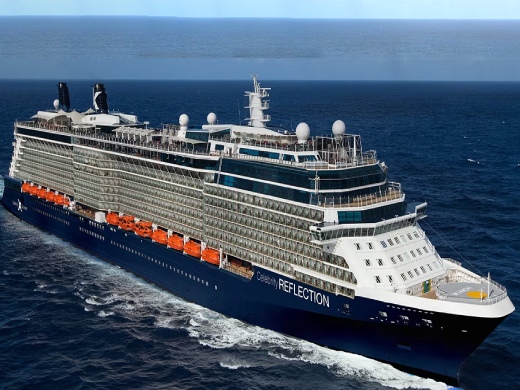
Same as Royal Caribbean (shared parent company): 23-week ceiling, "fit to travel" letter, health questionnaire at check-in.
Princess
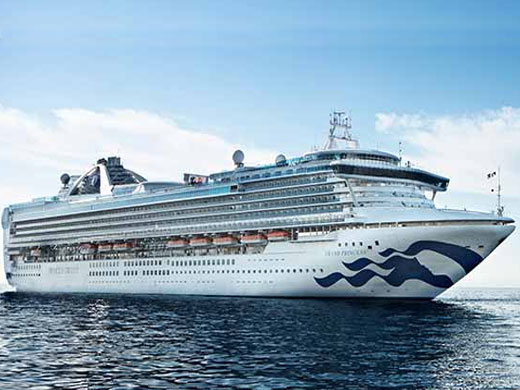
24 weeks, measured by the last day of the cruise — doctor's letter required. Princess wants the due date worked out from both your last period and an ultrasound, not a single estimate, and it goes to their Fleet Medical Department ahead of time, not the check-in desk.
Holland America

24 weeks, doctor's letter required — and this is the one to read twice. The cutoff covers the whole itinerary, sea days and port days included, and the letter has to carry your name, booking number, ship, and sail date. A generic "fit to travel" note won't clear it.
MSC
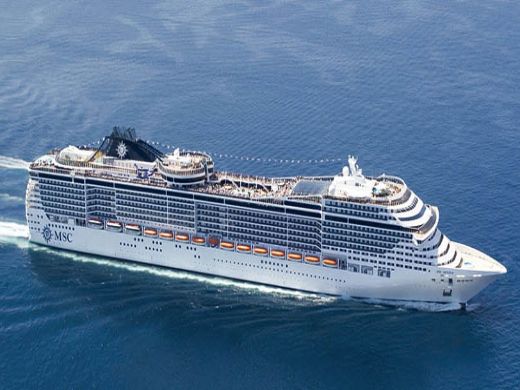
24 weeks by the end of the cruise, medical certificate required. The catch worth knowing: if you don't disclose the pregnancy to MSC and the ship's doctor, the line is released from any liability — so telling them isn't just a formality here.
Cunard

24 weeks by the final day of the voyage, doctor's or midwife's letter required. Cunard will take a midwife's sign-off, not only a physician's, but it wants the letter on headed paper with the due date calculated from both last period and ultrasound.
Costa Cruises
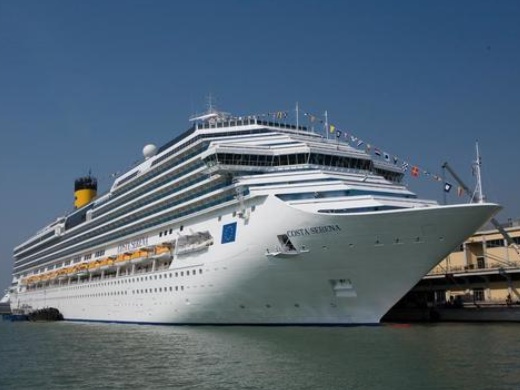
24 weeks at any point in the sailing, medical certificate required. No unusual asks here — a note confirming you and the baby are healthy and fit to travel covers it.
Azamara
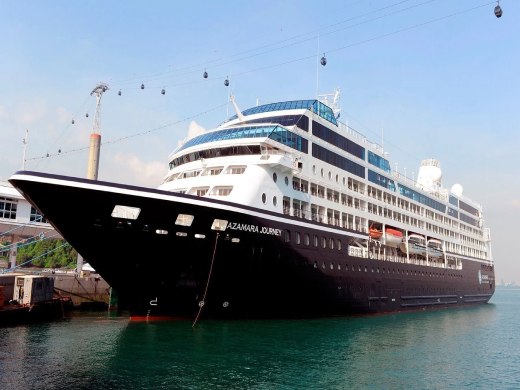
24 weeks (you're clear through 23) at any time during the cruise, "fit to travel" note required. You'll also sign a health questionnaire at check-in confirming you've seen the policy, and the note should reach their Access Department before you sail.
Viking Ocean
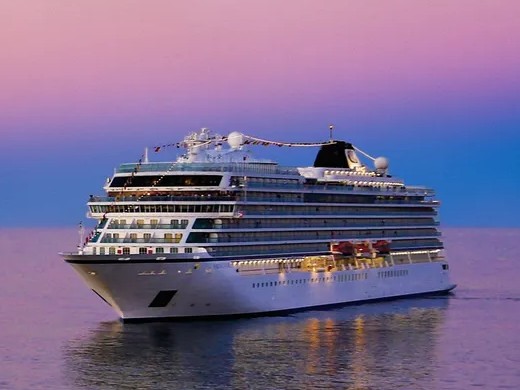
Caps travel at six months of pregnancy, which lands in the same neighborhood.
Seabourn

24 weeks, medical documentation required. Seabourn runs on the same Carnival-UK rulebook as Cunard, so plan for the same headed-paper letter with a due date from two sources.
Silversea

24 weeks by embarkation day, a medical certificate of fitness required. The cutoff is standard; the difference is that on a small ship the paperwork tends to get a closer read.
Regent Seven Seas

24 weeks at any time during the voyage, physician's letter required. Same line in the sand as everyone else — but here's the luxury trade-off a second-trimester body appreciates: fewer passengers, more attentive medical staff, and an unhurried pace.
The Loophole Nobody Mentions: River Cruises
Here's the bit that doesn't make most lists. River cruise lines often don't apply the 24-week rule at all. Avalon Waterways and Uniworld are two of the better-known examples. The reasoning is geographic — a riverboat on the Danube is never far from a town with a hospital, and medical evacuation is a short drive rather than a Coast Guard helicopter operation.
If you're in your second trimester and a Rhine, Douro, or Mekong sailing has been quietly sitting on your bucket list, this is the time. Confirm the policy directly with the line before you put down a deposit — policies do change — and bring the doctor's letter regardless. The Christmas Markets cruises in Germany and Austria are particularly nice for a babymoon. Bundled-up baby bump, mulled non-alcoholic cider, fewer crowds than summer Rhine.
Picking the Itinerary
Short beats long: A four-night Bahamas run is a smarter babymoon than a 12-night Mediterranean odyssey, even if the second one sounds more romantic.
Reasoning:
You're never more than a day from a real port. Your back doesn't have to negotiate a packed schedule. The risk window for the small stuff — norovirus on board, a bad night's sleep, a swollen-ankles day — is shorter. And if something does go sideways, you're closer to home.
Some itineraries that work especially well:
Bermuda from the East Coast:
This trip will offer you Cape Liberty, Boston, or Manhattan departures, no flights, pink sand beaches where you won’t need to spend hours stamping your passport, and a port stay at night, allowing you to explore Hamilton. You can stay there five or seven days. It's hard to top it.
Bahamas from Florida:
Three or four days of stay, sunny weather throughout the year, the most affordable babymoon calculations available. Plus one extra day on the cruise ship's private island if you need some beach time away from touristy Nassau.
Alaska from Seattle or Vancouver:
Round-trip Seattle is the move — no one-way flight home from Anchorage to deal with. Book a balcony. Glacier Bay or Tracy Arm with your feet up and a blanket is a memory you'll bring back. Bonus: low-mercury wild salmon is everywhere, which a pregnant palate appreciates.
Greek Isles or Western Mediterranean:
Save this for the early second trimester if you have the energy for the flights. The slower-paced ports — Santorini's caldera view from a hotel terrace, a long Sicilian lunch — are exactly the right speed for a babymoon. Skip itineraries with five port days in a row.
Note: Check Zika status before any Caribbean, Mexican, Central American, or South Pacific sailing. Outbreaks have died down significantly since the 2016 peak, but the CDC still updates advisories by region. Look it up the week you book and again the week before you sail. Don't rely on a forum post from 2019.
What to Actually Do Onboard
A cruise ship is almost suspiciously well-suited to a second-trimester body. Beds you didn't make. Food you didn't cook. A pool. Multiple sit-down dining rooms. Live music that wraps by 10:30 so you can be in bed at a reasonable hour without missing anything.
Still, there are going to be...
A few small adjustments:
- Spa: Yes — but pick and choose. Avoid the jacuzzi, sauna, steam bath, and any deep tissue massage offered. The pregnancy massage should be available at most ship spas, and can be reserved for a sea day. Let the staff know about your pregnancy when you make the reservation.
- Pool: Yes. Floating is heaven on a sore back. Lap lanes are fine if your doctor's already given the green light on swimming.
- Gym: Yes — but with moderation. Treadmill walking, recumbent cycling, some weightlifting, stretching. No high-intensity training classes, no balance-exercising equipment when the boat is in motion, no "I'll give the rock climbing a go while I'm here."
- Dining room: The food rules apply. Skip the raw bar, cold cuts, runny eggs, soft unpasteurized cheeses (the cheese station on a luxury ship is a minefield — ask), high-mercury fish like swordfish and king mackerel. The menu is huge. You will not go hungry. Talk to the maître d' on night one; they handle this constantly and will quietly steer you. Drink more water than feels reasonable. Cruise ship air is desert-dry.
Things to skip outright:
- The casino (smoky in places), the rock-climbing wall, the surf simulator, the zip line.
Onshore:
- ATVs, horseback riding, scuba, anything billed as "extreme."
- Snorkeling in calm protected water is usually fine with doctor's approval.
- Beach days, glass-bottom boats, catamaran sails, walking tours, food tours, gentle hikes — all yours.
Two Things Nobody Brings Up Until It's Too Late
Make sure to not miss out on these.
Travel insurance with real medical and evacuation coverage:
Most packaged plans do not cover pregnancy or have restrictions on it. Go through the terms of your insurance plan, and look for: coverage for pregnancy complications, lack of "normal pregnancy" exclusion, and minimum evacuation benefits of $250,000. Medical evacuation from a cruise ship near Cozumel to Miami will easily cost over $100,000. This is one of those expenses that you cannot pay later.
Your passport, even on closed-loop cruises:
US sailings that begin and end at the same US port technically let you travel with just a birth certificate and ID. That's fine until you need to disembark unexpectedly in Aruba and fly home. For a pregnant traveler, "unexpectedly disembark" is not a hypothetical scenario; it's a thing the cruise line will arrange for you if a complication arises. Bring the passport. Cost of bringing it: zero. Cost of not having it in an emergency: a lot.
A Quieter Last Note
The point of a babymoon isn't really the destination. It's the gap between two phases of life — that strange in-between week where you're still you, but you can also feel the shape of who you're about to become. A cruise gives you space to sit inside that gap without filling it.
Pick a second-trimester week
Pick a short, close itinerary. Get the doctor's letter. Bring the passport. Then do less than you think you should. Read on the balcony. Take the nap. Order the second dessert. You'll be reaching back for this trip in your memory at three in the morning some night next year. Make it worth reaching back for.
Verify the current pregnancy policy directly with your cruise line at the time of booking — policies shift, and the fine print is what matters at the pier. Consult your obstetrician before any travel during pregnancy, especially if you have any risk factors or a history of complications.
FAQs about Babymoon Cruises
1. How many weeks pregnant can I be to go on a cruise?
Almost every major ocean cruise line caps travel at 24 weeks — you cannot enter your 24th week at any point during the sailing. Royal Caribbean and Celebrity phrase it as a 23-week limit, which works out to the same thing. It’s always best to check with your doctor.
2. Do I need a doctor's note to cruise while pregnant?
Most lines require a "fit to travel" letter from your OB stating your due date, that the pregnancy is low-risk, and that you and the baby are healthy. Bring it even when it's listed as optional — pier agents move faster with it.
3. At what stage during pregnancy should one go on a babymoon cruise?
The best time to have a babymoon cruise is during the second trimester between weeks 14 and 23. Nausea is over, energy levels are restored, the baby bump is not too large, and it’s within the accepted period for all cruise lines. It’s always best to check with your doctor.
4. Are river cruise lines more flexible with their pregnancy policies?
Yes, usually. Some cruise lines such as Avalon Waterways and Uniworld do not always follow the policy on pregnant women having reached 24 weeks of gestation in case of an ocean cruise since river boats are near the land.
5. What things must be avoided by me during pregnancy?
Hot tub, sauna, steam bath, deep tissue massage, rock climbing and surfing machine, raw food from the bar, cold sliced meat from deli counter, unpasteurized cheese, and seafood with high mercury content. Smoking casinos are also to be avoided. Swimming, spa therapy, and exercise are acceptable. It’s always best to check with your doctor.


