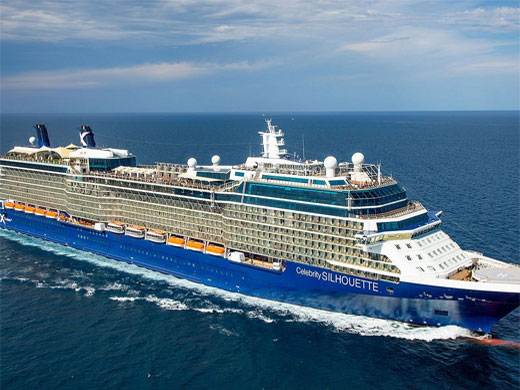
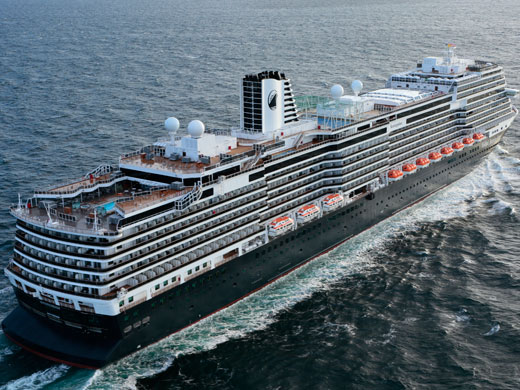
For foodies on a budget, Carnival and Norwegian offer the most variety without a big price tag. For a step up in quality without going full luxury, Oceania and Windstar deliver chef-driven menus with more dining included in the fare. For the best luxury cruise food, Regent Seven Seas, Silversea, Seabourn, and Crystal stand out for high-end, largely all-inclusive dining.
Every cruise line feeds you — but only some are actually built around the food. From Guy Fieri's burger joint on Carnival to Nobu-branded sushi on Crystal, the gap between a "fine, the buffet was fine" cruise and a genuine foodie trip comes down to which line you pick. Here's how the tiers break down.
Key Takeaways
- Best budget-friendly foodie line: Carnival — Guy's Burger Joint, Blue Iguana Cantina, and the upscale Fahrenheit 555 steakhouse
- Best mainstream all-rounder: Royal Caribbean — the widest range of specialty venues of any mass-market line
- Best premium value: Oceania — nearly all specialty dining is included in the fare, plus the French bistro Jacques
- Best luxury pick: Regent Seven Seas — genuinely all-inclusive dining, including steakhouse Prime 7
- Best for a culinary "experience," not just a meal: Silversea's chef-led cooking cruises and Windstar's chef-guided market walks
- Specialty dining typically costs $25–$65 per person on mainstream and premium lines; it's included in the fare on most luxury lines
Best Mainstream Cruise Lines for Foodies
Mainstream ships carry 2,500–5,000 passengers and are priced for value, not fine dining — but most now run several specialty restaurants alongside the free buffet and main dining room. The trade-off: specialty dining and alcohol cost extra, and it adds up fast if you don't plan for it. Pre-booking a dining or drinks package before you sail is usually cheaper than paying à la carte once onboard.
Carnival Cruise Line
Carnival's reputation is value, not fine dining — but its food program punches above its price point. Guy's Burger Joint (free) serves Guy Fieri's burgers, BlueIguana Cantina (free) does build-your-own tacos, and Fahrenheit 555 (specialty, paid) is a genuine steakhouse. The Chef's Table — a multi-course tasting menu with the ship's executive chef — is offered fleet-wide and expanded on Carnival Vista.
Disney Cruise Line
Disney's specialty dining leans French and Italian, both at a premium. Remy, inspired by Ratatouille, runs a seven-course tasting menu with wine pairings — one of the most serious fine-dining rooms in mainstream cruising. Palo offers Italian classics, including a well-regarded lobster ravioli. Expect to pay a specialty cover charge at both.
Princess Cruises
Princess splits dining between traditional set-time rooms and flexible venues like Allegro and Concerto (ship-dependent). Alfredo's serves genuine Neapolitan pizza at no extra charge, while the Horizon Bistro/Court offers made-to-order omelets and locally inspired dishes, also included in the fare. For a splurge, Princess pairs wine flights with Norman Love chocolates on select evenings.
Norwegian Cruise Line
Norwegian's "Freestyle Cruising" extends to dining — no set mealtimes, no assigned tables, and a large mix of complimentary and specialty venues. Highlights include Ocean Blue, a seafood restaurant from chef Geoffrey Zakarian, and Los Lobos, a modern Mexican concept from Iron Chef José Garcés. Cagney's Steakhouse rounds out the specialty lineup for surf-and-turf fans.
Royal Caribbean
Royal Caribbean offers one of the widest specialty dining selections among mainstream cruise lines. Jamie's Italian (chef Jamie Oliver) and Michael's Genuine Pub (chef Michael Schwartz) are standouts for chef-driven cooking, while dessert lovers can hit the Cupcake Cupboard or a Ben & Jerry's counter. On select ships, Wonderland offers a molecular-gastronomy tasting menu built around theatrical presentation — read our full Wonderland guide for pricing and details.
Best Premium Cruise Lines for Foodies
Premium lines sit between mainstream and luxury: smaller ships, more attentive service, and dining that's more often included in the fare. You'll still want a beverage package if you drink regularly, but food itself is less likely to nickel-and-dime you.
Oceania Cruises
Oceania markets itself as "the finest cuisine at sea," and its dining is almost entirely included in the fare — a rarity even at this tier. Jacques, the line's French bistro, was founded by chef Jacques Pépin, who remains connected to the culinary program as Executive Culinary Advisor alongside current Executive Culinary Directors Alexis Quaretti and Eric Barale. Suite guests get 24-hour complimentary room service, and cooking classes are available at the onboard Culinary Center.
Windstar Cruises
Windstar's smaller, masted ships build food into the destination experience itself: every sailing includes at least one complimentary chef-led market walk in port, where the day's catch informs that evening's menu. Candles, the open-air deck restaurant, pairs dinner with wine under the stars, and a deck barbecue is offered on every sailing at no extra charge.
Also, Read: How many cruise lines popular for weddings?
Best Luxury Cruise Lines for Foodies
Luxury lines run smaller ships with higher staff-to-guest ratios and largely all-inclusive fares — specialty dining, and often alcohol, is bundled into the price rather than charged separately. This is the most expensive tier, but for a genuine foodie, it's where cruise dining stops feeling like a cruise and starts feeling like a destination restaurant.
Regent Seven Seas
Regent markets itself as the most all-inclusive line in the industry, and dining backs that up — every specialty restaurant is included, no upcharge. Chartreuse serves French fine dining, Prime 7 is a proper steakhouse (its 36-ounce porterhouse is a signature order), and Seven Seas Explorer's Culinary Arts Kitchen runs hands-on cooking classes.
Silversea Cruises
Silversea runs six to eight specialty restaurants per ship, all included in the fare — unusually generous even at the luxury tier. Le Champagne, its Relais & Châteaux partner restaurant, offers white-glove French service. For a genuinely unique trip, Silversea also runs L'Ecole des Chefs cooking cruises, where guests take hands-on lessons from visiting chefs, tour local markets, and finish with a six-course meal paired with wine.
Seabourn Cruise Line
Seabourn partners with Michelin-starred chef Thomas Keller, whose influence shows up at The Grill by Thomas Keller (a modern American steakhouse) and in refined dishes like foie gras crème brûlée at Restaurant 2. Select sailings include chef-guided market visits in port, similar in spirit to Windstar's.
Crystal
Crystal collapsed in 2022 after its parent company's bankruptcy, but was acquired by A&K Travel Group and relaunched in 2023 under the simplified name Crystal, operating its two renovated ships, Crystal Serenity and Crystal Symphony (a third ship, Crystal Grace, is on order for 2028). Dining remains a signature strength: Crystal is home to the only Nobu restaurant at sea, from chef Nobu Matsuhisa, alongside globally inspired fare in the main dining room and a full slate of specialty venues.
Also, Read: Top Best cruise lines for fitness and wellness
How to Choose: Mainstream vs. Premium vs. Luxury
| Tier | Typical Cost | Specialty Dining | Best For |
|---|---|---|---|
| Mainstream (Carnival, Disney, Princess, NCL, Royal Caribbean) | Lowest fares; specialty dining $25–$65/person extra | 3–8 specialty venues, mostly paid | Budget-conscious travelers, families, first-time cruisers |
| Premium (Oceania, Windstar) | Mid-range fares; most dining included | Nearly all specialty venues included in fare | Travelers who want real cooking without luxury pricing |
| Luxury (Regent, Silversea, Seabourn, Crystal) | Highest fares; largely all-inclusive | All specialty dining included, often alcohol too | Serious foodies, special occasions, no-upcharge dining |
FAQs about Foodie Cruise Lines
Is Carnival or Royal Caribbean better for foodies?
Royal Caribbean generally offers more specialty dining variety, including chef-driven concepts like Jamie's Italian and the experimental Wonderland restaurant. Carnival is the stronger value pick, with well-regarded free venues like Guy's Burger Joint and BlueIguana Cantina alongside its paid Fahrenheit 555 steakhouse.
Is cruise food all you can eat?
In the main dining room and buffet, food is generally unlimited. At specialty restaurants, guests are typically limited to one entrée per person, although appetizers and desserts are often available without the same restriction.
Can I bring food back to my cabin on a cruise?
Yes, most cruise lines allow guests to bring food from the buffet or casual dining venues back to their stateroom. If you want to keep food cold, bring a small insulated bag or container because cabin refrigerators may not be suitable for food storage.
How much does specialty dining cost on a cruise?
On mainstream and premium cruise lines, specialty restaurants typically charge about $25–$65 per person, depending on the venue. On most luxury cruise lines, specialty dining is included in the cruise fare with no separate charge.
Are dining packages worth it on a cruise?
Dining packages can be worthwhile if you plan to visit specialty restaurants more than once or twice during your cruise. Many cruise lines offer dining packages at a lower overall cost than paying individual cover charges, especially when purchased before departure.