The best cruise lines for transatlantic crossings are Cunard (classic ocean-liner tradition), Norwegian Cruise Line (entertainment and activities), Holland America Line (culinary and cultural enrichment), Royal Caribbean (families and big-ship amenities), and Celebrity Cruises (refined, adults-focused sailing). Most transatlantic cruises run 6–14 nights, require a passport, and are often priced lower per night than comparable Caribbean or Mediterranean itineraries.
Key Takeaways
- Length: Most transatlantic crossings run 6–14 nights, with some extended itineraries sailing longer
- Best overall for tradition: Cunard's Queen Mary 2 — the only ship still purpose-built for regular transatlantic service
- Best for families: Royal Caribbean, thanks to surf simulators, waterslides, and 20+ onboard venues
- Best for couples: Celebrity Cruises, for a quieter, design-forward adults-focused atmosphere
- Documents needed: A valid passport is required — transatlantic sailings are never closed-loop cruises
- Direction matters: Eastbound (North America to Europe) typically sails in spring; westbound (Europe to North America) typically sails in fall
- Value: Transatlantic cruises are often priced lower per night than similar-length Caribbean or Mediterranean itineraries
What Is a Transatlantic Cruise?
A transatlantic cruise crosses the Atlantic Ocean between Europe and North America, typically running 6 to 14+ nights with several consecutive sea days between ports. These sailings move at a slower, more relaxed pace than a typical Caribbean cruise, and because cruise lines need to reposition ships between seasons anyway, transatlantic sailings are often priced lower per night than other itineraries — making them a favorite for travelers who want a longer, more immersive voyage without paying a premium for it.
Transatlantic vs. Repositioning Cruise
If you've seen the term "repositioning cruise" elsewhere, a transatlantic crossing is one specific type of repositioning cruise — one that crosses the Atlantic rather than moving between other regions like Asia or Alaska. All transatlantic cruises are repositioning cruises, but not all repositioning cruises are transatlantic.
What to Expect on a Transatlantic Cruise
Length and Sea Days
Most transatlantic crossings run 6–14 nights, though some extended itineraries stretch longer with additional port stops. Expect several consecutive days at sea, especially on direct eastbound or westbound crossings — a big draw for travelers who enjoy shipboard life over port-hopping.
Direction: Eastbound vs. Westbound
- Eastbound sailings (North America to Europe) typically run in spring
- Westbound sailings (Europe to North America) typically run in fall, as ships reposition for seasonal itineraries
Documents Required
A passport is required for every transatlantic cruise, since these sailings aren't closed-loop itineraries. Unlike a round-trip Caribbean cruise from a U.S. port, you'll begin and end in different countries, so a passport is non-negotiable regardless of nationality.
Also Read: What documents do you need to go on a cruise?
What to Pack
Bring layers — weather and ocean temperatures can shift noticeably over the course of the crossing — and pack at least one or two outfits for formal or elegant dinner nights, which are common on longer sailings.
Best Cruise Lines for Transatlantic Cruises
1. Cunard — Best for Classic Ocean Liner Tradition
Cunard's Queen Mary 2 is the only ship still purpose-built for regular transatlantic crossings, and it shows in the details: a proper library, a planetarium, ballroom dancing, and a pace built around the journey itself rather than a checklist of ports. Cunard offers eastbound, westbound, and round-trip transatlantic crossings, most sailing between New York and Southampton. It's the pick for travelers who want the closest thing to the original ocean-liner experience.
2. Norwegian Cruise Line — Best for Entertainment and Onboard Activity
Norwegian Cruise Line (NCL) runs transatlantic itineraries that connect Europe and the U.S. via routes like Italy to New York (via Spain and France) or Spain to New York (via Bermuda), often aboard newer ships with race tracks, go-kart circuits, and a full entertainment lineup. It's a strong fit for travelers who want the sea days to feel busy rather than quiet.
3. Holland America Line — Best for Culinary and Cultural Enrichment
Holland America Line leans into destination immersion, with itineraries like the Azores & Normandy Exploration or Voyage of the Vikings that visit less-touristed ports on both sides of the Atlantic. Onboard, expect menus developed with its Culinary Council chefs and enrichment programming that ties into the places you're sailing past. This line suits travelers who want the crossing itself to feel educational, not just scenic.
4. Royal Caribbean — Best for Families and Big-Ship Amenities
Royal Caribbean runs transatlantic repositioning cruises on ships like Wonder of the Seas, with departures from Florida, Barcelona, Southampton, and Copenhagen. Onboard, you'll find surf simulators, high-speed waterslides, and 20+ dining and lounge venues — a lot of ship to explore across those sea days. It's a solid option for families who want resort-style amenities on a longer sailing.
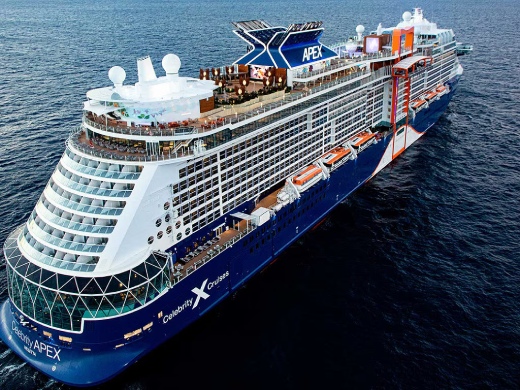
5. Celebrity Cruises — Best for a Refined, Adults-Focused Crossing
Celebrity runs transatlantic sailings on its modern Edge- and Solstice-class ships, typically between U.S. East Coast ports and Southampton or Amsterdam. Expect a more contemporary, design-forward atmosphere with fewer families and a stronger focus on specialty dining and spa time — a good fit for couples who want the crossing to feel like a proper getaway rather than a family activity hub.
Transatlantic Cruise Line Comparison
| Cruise Line | Best For | Typical Route | Onboard Vibe |
|---|---|---|---|
| Cunard | Classic ocean-liner tradition | New York ↔ Southampton | Refined, formal, heritage-driven |
| Norwegian Cruise Line | Entertainment & activities | Italy/Spain → New York | Energetic, activity-packed |
| Holland America Line | Culinary & cultural enrichment | Azores, Normandy, Northern Europe | Educational, immersive |
| Royal Caribbean | Families & big-ship amenities | Florida ↔ Barcelona/Southampton | Resort-style, family-friendly |
| Celebrity Cruises | Refined, adults-focused travel | U.S. East Coast ↔ Southampton/Amsterdam | Contemporary, quiet, couple-oriented |
How to Choose the Right Transatlantic Cruise Line for You
- Want the classic ocean-liner feel? Cunard is the only line built specifically for it.
- Want a lot to do on sea days? NCL and Royal Caribbean offer the most onboard activities and entertainment.
- Want culture and cuisine over crowds? Holland America's itineraries and dining lean more enrichment-focused.
- Traveling with kids? Royal Caribbean's amenities are the most family-oriented of the group.
- Traveling as a couple without kids? Celebrity offers a quieter, more adult-focused onboard vibe.
Is a Transatlantic Cruise Worth It?
For travelers who enjoy shipboard life — reading, dining, spa time, enrichment lectures — a transatlantic crossing turns "dead sea days" into the main event rather than a gap between ports. Since these are repositioning sailings, cruise lines frequently price them lower per night than a comparable Caribbean or Mediterranean itinerary, which makes them a good value for anyone chasing a longer vacation without a longer budget.
They're less suited to travelers who want to maximize port time or who get restless without daily excursions. If that's you, a shorter Caribbean or Mediterranean itinerary with more frequent stops is likely a better fit.
Pros
- Lower price per night compared to similar-length regional itineraries
- Multiple consecutive sea days ideal for relaxation and onboard enrichment
- One-way itineraries let you combine the cruise with a pre- or post-cruise land trip in Europe or North America
- Less crowded than peak Caribbean sailings, since transatlantic crossings appeal to a smaller, more specific traveler segment
Cons
- Fewer port stops overall compared to standard regional cruises
- A passport is mandatory — no closed-loop option
- Weather and ocean conditions can be less predictable, especially in shoulder seasons
- One-way sailings often require booking flights separately for the return leg
Frequently Asked Questions
How long is a transatlantic cruise?
Most transatlantic cruises run 6 to 14 nights, depending on the route, number of port stops, and departure and arrival cities.
What's the difference between a transatlantic cruise and a repositioning cruise?
A transatlantic cruise is a specific type of repositioning cruise that crosses the Atlantic Ocean, usually as ships move between European and North American itineraries with the seasons.
Do I need a passport for a transatlantic cruise?
Yes. Transatlantic cruises aren't closed-loop sailings, so a valid passport is required regardless of your nationality or departure port.
When is the best time to book a transatlantic cruise?
Eastbound crossings from North America to Europe typically sail in spring, while westbound crossings from Europe to North America typically sail in fall as cruise lines reposition ships for the season ahead.
Are transatlantic cruises cheaper than other cruises?
Often, yes. Because cruise lines need to move ships between regions, transatlantic sailings are frequently priced lower per night than comparable Caribbean or Mediterranean itineraries, especially for longer trips.
Which cruise line is best for a first transatlantic crossing?
Cunard's Queen Mary 2 is a strong choice for the classic transatlantic crossing experience, while Royal Caribbean or Norwegian Cruise Line may be better for travelers who want more onboard activities and entertainment during sea days.